

Ontvang 10€ Korting
GROOTSTE DESIGNER SALE EVER! | Koop tot dinsdag met +25% EXTRA korting designs in de uitverkoop (code: KOOPPRELOVED25)
Inclusief verzend & stomerij kosten (t.w.v €24,-)
Één outfit per reservering inwisselen voor andere outfit of tegoed*
Inclusief verzend & stomerij kosten (t.w.v €24,-)
Één outfit per reservering inwisselen voor andere outfit of tegoed*

The Power Suits Are Back — but They’re Genderless This Time, Fashion’s Most Democratic Comeback

The Power Suits Are Back — but They’re Genderless This Time

The contemporary power suit has returned, but it is no longer characterized by gender or shoulder pads. The statement is much more inclusive and subtle this time. The garment’s freedom now whispers confidence, whereas its structure once shouted authority. Fashion is the language of individuality, and designers, celebrities, and young consumers are driving this quiet revolution.

Tailoring from the 1980s has softer edges. Flowing shapes and adjustable fits have replaced the rigidity that once distinguished men’s and women’s clothing. Designers such as Gucci and Saint Laurent are creating clothing that speaks to the wearer rather than the gender for which it was designed. The suits seen on today’s catwalks are about comfort, individuality, and genuineness rather than conformity.

AspectDescription
ConceptA fashion shift emphasizing inclusive tailoring that celebrates individuality and comfort
EvolutionFrom rigid 1980s corporate armor to fluid, adaptive designs that transcend gender norms
Key DesignersGucci, Louis Vuitton, Saint Laurent, Loewe, Kanika Goyal, Siddartha Tytler
Defining FeaturesRelaxed fits, versatile cuts, breathable fabrics, neutral and expressive color palettes
Cultural SignificanceRedefines authority, promotes self-expression, and encourages inclusivity across genders
Authentic SourceThe New York Times – Fashion and Style (2025 Edition)

Inspired by queer artists Larry Stanton and Patrick Angus, Saint Laurent’s Spring/Summer collection combined structured jackets with delicate colors and soft textiles. For Ayo Edebiri’s 2025 Golden Globes ensemble, Loewe also reinterpreted Julia Roberts’s 1990 Armani moment, substituting draped elegance for sharp shoulders and a feather necklace for the conventional tie. These designs feel noticeably better, substituting a sense of self-assurance that doesn’t require validation for outdated “power dressing” formulas.

The suit was once referred to by fashion historian Anne Hollander as “the human body, idealized.” The modern reinterpretation, however, feels more compassionate; power is reframed as ease. The meaning of the garment has changed significantly. It now stands for self-expression and self-ownership instead of corporate ambition. The suit now belongs to anyone who is prepared to feel capable and liberated, not just those in the boardroom.

Gen Z has been the main driver of this change in recent years. They have significantly blurred the lines between gendered clothing through social media. The #GenderlessStyle tag has received billions of views on TikTok, where creators have paired blazers with skirts, sneakers, or corsets—often in whimsical, unique ways. Their strategy is incredibly successful in bringing authenticity into the mainstream; it is not rebellious for the sake of rebellion.

In many respects, the pandemic hastened this development. The pace and expectations of fashion slowed along with the rest of the world. Comfort turned into money. Restrictive office attire started to give way to loose-fitting pants and oversized blazers, demonstrating that authority could be at ease. “The modern power suit is about confidence, not control,” according to The Manual. The way people dress and express themselves has become a permanent home for that sentiment.

Fashion houses have become especially creative in fusing design and identity by incorporating fluid tailoring. In their most recent collections, Gucci and Louis Vuitton completely abandoned gendered sizing, referring to suits as “made for you.” This movement is inclusive by design and intention, and the phrase sums it up perfectly. Through the use of organza inserts, asymmetrical hemlines, and surreal detailing, independent designers such as Kanika Goyal have brought playfulness into formal wear while maintaining sophistication.

In the past, power dressing required imitation; in order for women to be heard, they had to imitate masculinity. The suit is now used as a tool to change that script. The statement “I don’t have to dress like a man to be taken seriously anymore” was aptly put by marketing strategist Anusha Hisaria. A generation that wears confidence in a different way—softly but decisively—is reflected in her preference for baggy blazers and playful ties.

This new kind of empowerment is the result of cultural changes. Chanel’s tweed sets, which are emblems of independence, were created in the 1920s. Yves Saint Laurent’s Le Smoking, which featured women wearing tuxedos, shocked viewers in the 1960s. Every feature, including the shoulders, ambition, and authority, was exaggerated in the 1980s. The age of balance in fashion has now arrived. The genderless suit allows wearers to define their own strength by embracing both structure and sensitivity.

This change has been accelerated by celebrities. Timothée Chalamet’s open-backed ensembles and Zendaya’s effortlessly flowing red carpet suits have become cultural markers for this shift. They convey a very strong message that self-expression is universal: their appearance is about energy rather than gender. Even Riley Keough’s cropped Chanel suit with a sheer top exuded confidence as someone who dresses to express their own strength rather than to conform to social norms.

Instead of being cautious in their response to this demand, luxury brands are being creative. Modular tailoring was first seen in Louis Vuitton’s 2026 collection, which included shirts for all body shapes, pants with waist adjustments, and jackets with detachable panels. More significantly, this flexibility is inclusive and incredibly effective. “Genderless fashion is not about neutrality — it’s about possibility,” as The Guardian stated.

This evolution reflects more profound shifts in society. Dress codes are being rethought in workplaces, with flexibility replacing formality. According to a McKinsey report from 2025, businesses that implemented gender-neutral dress codes saw an increase in employee belonging and satisfaction. Once a representation of homogeneity, the office suit now stands for diversity and unity. It’s a welcome change that combines authenticity and professionalism instead of repression.

Leading this new trend with cultural awareness are independent designers in Asia and the Middle East. With draped designs that can be altered with basic button loops, Anuj Sharma, the founder of Button Masala, has reinvented the suit for tropical climates. He holds that power comes from choice rather than prescription, which is a wonderfully democratic philosophy. The global trend of genderless tailoring is strongly aligned with this spirit of personalization.

Through experimentation and empathy, the relationship between fashion and gender is being rewritten. This balance is aptly reflected in the contemporary power suit, which combines structure and softness. It is now an outfit for authenticity rather than merely a uniform for authority. This movement has remarkably transformed the suit into something more than fabric by embracing self-expression, inclusivity, and adaptability. It’s a discussion about our identities and how we want to be perceived.

This time around, the return of the power suit feels different—freer, more grounded, and unafraid to change. Its significance goes beyond clothes, whether it is worn with sandals, heels, or sneakers. It symbolizes freedom, self-assurance, and transformation woven into each stitch. Power suits are back, but they now belong to everyone as a common symbol of confident identity rather than as armor.
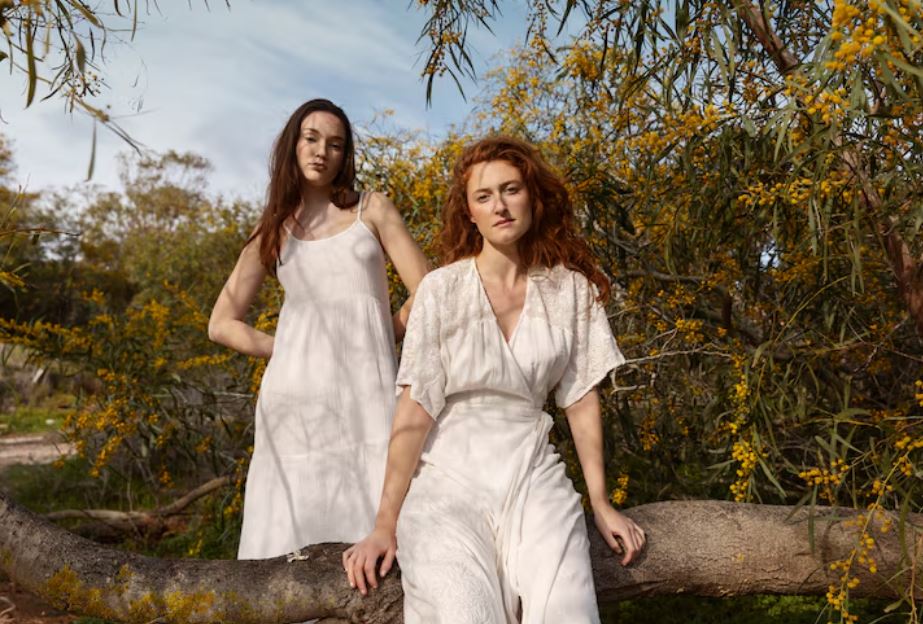
The New Age of Modesty, Inside Fashion’s Quiet, Radical Rebellion Against Excess

The New Age of Modesty, Fashion’s Quiet Rebellion

Although fashion has always reflected its era, few trends have had such a subtly revolutionary impact as the New Age of Modesty. Across social media, street corners, and catwalks, a more subdued narrative is emerging, one that prioritizes understatement over spectacle and elegance over grandeur. It’s about holding one’s ground with purposeful elegance, not about hiding.

Because it is rewriting the language of power in fashion, this new wave is especially inventive. For many years, exposure—bare shoulders, bold prints, and louder statements—was equated with empowerment. The pendulum is currently swinging back in the direction of discretion. Both designers and consumers are embracing clothing that exposes deeper values, such as patience, confidence, and purpose, while covering more.

CategoryDetails
ConceptA global shift towards refined simplicity, modest dressing, and quiet luxury
Cultural RootsInspired by faith-based modesty, sustainability, and minimalist fashion codes
Leading FiguresHalima Aden, Sofia Richie, Mariah Idrissi, Molly Kathryn, Teniola Akinola
Industry InfluenceQuiet luxury, slow fashion, ethical production, Scandi and neutral aesthetics
Societal ImpactEncourages confidence through restraint and challenges beauty stereotypes
Source for ReferenceThe Guardian – Modest Fashion Feature

This cultural realignment is exemplified by Halima Aden’s return to modeling following a three-year hiatus. She used to be upset that fashion didn’t respect her faith, but now she sees an opportunity for modesty and mainstream luxury to coexist. “I’m not the last, but I was fortunate enough to be the first,” she said to Grazia. The essence of the movement—a silent, group advancement toward inclusion without compromise—is encapsulated in her words.

In contrast, the 2023 wedding of Sofia Richie was the subject of a selective online case study. Her exquisitely crafted, long-sleeved, high-necked Chanel gown was hailed as the beginning of “quiet luxury.” The compliments, however, felt gratingly familiar to Muslim influencers who have long promoted modest attire. “When a celebrity does something normal to many, it suddenly becomes a thing,” model Mariah Idrissi observed. The double standard that has plagued fashion’s handling of modest style for decades is still remarkably similar.

Nevertheless, there is still hope. The modern modesty movement has evolved into a statement of global relevance rather than a subculture. The narrative has moved from religious obligation to artistic expression, as evidenced by TikTok’s “clean girl” aesthetic and Vogue’s coverage of modest fashion weeks in Dubai and Jakarta. Over twelve billion people have viewed the hashtag #modestfashion on social media, demonstrating the movement’s widespread appeal.

The causes are intricate but remarkably obvious. Customers are looking for balance after years of being highly visible. They are looking for clothing that conveys meaning in a subtle way. The resurgence of modesty and the rise of quiet luxury, exemplified by brands such as The Row, Loro Piana, and Jil Sander, go hand in hand. Both provide a counterbalance to the chaos of fast fashion by celebrating permanence, sustainability, and craftsmanship.

The way modesty is portrayed on runways has significantly improved in recent seasons thanks to designers like Cayley Cochrane and Molly Kathryn. While Cochrane’s faux-fur coats and elaborate rope detailing channel restraint as a form of refinement, Kathryn’s vegan leather corsets and silk outerwear combine structure and softness. Every piece seems purposeful—art devoid of conceit.

This sentiment was aptly captured in the editorial for Milk and Honey by art director Teniola Akinola. The campaign, which was photographed in subdued hues, featured sculptured clothing and thoughtfully planned photography that exuded quiet luxury. “When carefully chosen, simplicity can be just as powerful as maximalism,” Akinola said. Her work demonstrated that modest clothing speaks precisely rather than in a frightened whisper.

The transition to slower, more sustainable production techniques has greatly improved modest fashion’s standing in the industry. According to Bain & Company, over 60% of luxury buyers now place a high value on environmental responsibility and ethical sourcing. A common moral language is produced by this alignment of sustainability and modest design, one in which stitching methods and fabric selections have emotional significance.

Many people find psychological comfort in modesty as well. Covering up has become a form of control in a time of constant exposure. Because they grew up under social media scrutiny, Gen Z consumers frequently characterize modest clothing as “grounding” and “protective.” It’s selective visibility, not submission. Being seen according to one’s own terms is incredibly freeing.

This conversation is also being shaped by celebrities. A renewed desire for balance is suggested by Zendaya’s structured Valentino dresses, Cate Blanchett’s simple tailoring, and even Florence Pugh’s sporadic shift toward understated silhouettes. These decisions demonstrate confidence by being precise rather than ostentatious.

In the meantime, modest creators who support inclusivity over exclusivity have been elevated by digital platforms. In order to make modest fashion accessible to all while still respecting its cultural roots, companies such as The Reflective are purposefully deleting religious connotations from their imagery. Simply stated, “We’re demonstrating that modest fashion can be universal without erasing identity,” said founders Liza Sakhaie and Ariella Immerman.

The way this movement crosses generations is especially encouraging. Younger women interpret it as independence, while older women see it as a return to dignity. Previously signifying restraint, the long skirt now symbolizes agency. From an alternative perspective, modesty has transformed into a mirror reflecting empowerment, subtly but boldly redefining femininity.

It is impossible to deny the cultural similarities. Following the glitz of the 1980s, Jil Sander’s clean silhouettes and Phoebe Philo’s minimalist Céline redefined fashion in the 1990s. Similar energy is present in today’s modest revival: a collective exhale following an era of overexposure. Simplicity becomes revolutionary when excess becomes meaningless.

The New Age of Modesty has transformed restraint into rebellion by fusing tradition, contemporary values, and self-awareness. It’s a very successful response to a society that is overstimulated. Fundamentally, this is about having the freedom to define yourself according to your own standards, not about religion or fabric.

The rise of modesty is a recalibration rather than a regression. Silence has become powerful in a time when digital noise is all around us. Fashion is rediscovering its essence through thoughtful dressing—by selecting items that feel timeless, moral, and effortlessly elegant. As demonstrated by the New Age of Modesty, sometimes the most radical statement you can make is to just hide and let your presence—rather than your attire—do the talking.

Can the Runway Survive Without Real Models? The Fashion Industry’s Greatest Disruption Yet

Inside the Race to Design the World’s First Fully Digital Fabric

Due to a combination of commercial urgency, creativity, and computation, the drive to design the first fully digital fabric is accelerating remarkably quickly. Like a swarm of bees, designers, technologists, and manufacturers are working toward a common goal that seems both creative and inevitable. The need for a material that only exists as data is becoming increasingly evident as digital fashion grows, particularly as brands try to create synthetic textiles that respond, drape, and stretch just like their real counterparts.

When physical samples disappeared from studios overnight during the pandemic, creators who knew how to use CLO3D and other simulation tools became vital. Fashion continued to advance because of their capacity to mimic surface behavior, movement, and texture. This change has greatly decreased waste over the last ten years and aided brands in testing designs prior to production. These digital resources evolved into useful instruments for decision-making rather than merely stand-ins.

Key ElementDescription
Central TopicRace to create fully digital fabric
Core InnovatorsThe Fabricant, Verce, PhygitalTwin, SwatchOn
Key Technologies3D simulation, AI rendering, digital fabric twins
Industry ImpactSustainability gains, reduced sampling, on-demand production
Cultural InfluenceDigital couture, virtual influencers, blockchain garments
Authentic ReferenceThe Fabricant official site

The Fabricant created “Iridescence,” a dress made entirely of pixels that sold for $9,500 to a collector who appreciated its uniqueness, as a remarkable example of digital couture by working with artists and blockchain pioneers. Because it combined technical accuracy with artistic vision, the process was incredibly successful in demonstrating that a garment’s physical form was not necessary to arouse desire.

The Interline’s collaboration with SwatchOn demonstrated that a digital garment’s fabric twin needs to have incredibly clear properties in order for it to be believable. This entails precise stretch simulation, faithful light behavior, and accurate color capture. Digital fashion devolves into visual approximation instead of meaningful craft when this depth is absent. These digital twins are essential to designers’ decision-making, particularly when they are prototyping for physical production.

The production of digital fabrics has significantly improved thanks to strategic alliances throughout the industry. Businesses such as Verce have created incredibly lifelike avatars that can display clothing with nuanced emotional content. Ava, their avatar, seems remarkably adaptable and serves as a spokesperson for the developing connection between technology and fashion. With the help of Unreal Engine and sophisticated body mapping, her movements transform digital apparel into narrative.

Discussions about sustainability have become more prevalent in recent years, and digital textiles provide especially creative answers to this issue. Brands reduce emissions and waste inventory by enabling on-demand manufacturing and minimizing physical samples. For labels experimenting with reactive production models in particular, the change represents a notable increase in efficiency.

PhygitalTwin showcased gowns that were produced through precisely aligned simulations and existed both digitally and physically during the emergence of digital fashion weeks. Their process showed how innovative concepts can flow smoothly from render to runway. These techniques enable early-stage designers to compete with established houses because they are surprisingly efficient and reasonably priced.

It is evident that textile innovation frequently starts in unexpected places when one considers the Manchester debut of dresses infused with graphene. That dress suggested a future in which material reacts to emotion by using tiny LEDs to mimic breathing patterns. Graphene demonstrated how combining science and fashion can create ideas that feel almost alive, even though it isn’t digital in and of itself.

Brands improve fabric performance before it ever reaches production lines by combining sophisticated analytics with simulation tools. This change is especially helpful for medium-sized companies since it enables them to test concepts with fewer resources. Additionally, it increases their agility, which enables them to respond to customer expectations faster.

Fully digital fabrics could become the norm for pre-visualization in the upcoming years, enabling designers to virtually create entire collections before deciding which pieces should take on physical form. The idea of owning only digital clothing seems natural to Gen Z consumers, whose identities frequently encompass multiple digital personas. They view these pieces as expressions rather than files.

Digital fabrics are becoming indispensable for creating the wardrobes of virtual influencers as they become more well-known. Unrestricted by physical limitations, these characters serve as models for imaginative clothing. Their presence encourages designers to experiment with colors, textures, and shapes that would be challenging to accomplish physically, pushing fashion toward more daring ideas.

Digital fabrics are changing the basis of fashion through deliberate innovation and ongoing improvement. The goal of this race is to create textiles that can change instantly, react dynamically, and exist in multiple realities rather than to replace cotton, silk, or wool. It signifies a change toward a creative environment in which data is material and material is data.

There is no indication that the race to create the first fully digital fabric will slow down. The industry is on the verge of a future that feels remarkably like science fiction but is based on realistic, sustainable design as more brands use these tools. Traditional textiles won’t disappear because of the digital fabric, but it will usher in a new era where creativity will be the main source of raw materials.

What the Metaverse Did to Our Sense of Style, From Reality to Rendered Chic

What the Metaverse Did to Our Sense of Style

The metaverse had a profound impact on our sense of style that went beyond simply setting trends. Fantasy is not only possible but encouraged in the world of digital fashion, where flaming cloaks and translucent armor seem more appropriate than denim and wool coats. That change changed the way we express who we are. It transformed what it meant to be fashionable in a world not controlled by gravity, stitching, or seasons by making the avatar the focal point of personal aesthetics.

The metaverse has emerged as a highly productive creative playground by releasing fashion from material limitations. Clothes that fit your body, your budget, or your biology are no longer your only options. Alternatively, you can wear a mood like a second skin, whether it’s avatar-driven futurism, baroque silver, or pixelated neon. This isn’t costume play for younger generations in particular, who are digital natives. It’s the most truthful way for them to show themselves.

ElementDescription
Digital ExpressionAvatars offer remarkably flexible self-styling beyond physical limitations
Economic ImpactVirtual fashion, NFT wearables, and digital skins drive billions in new commerce
Creative BreakthroughsDesigners enjoy unparalleled freedom, unconstrained by fabric, physics, or production costs
Brand ReinventionLuxury labels now debut digital-first collections and virtual-only exclusives
Phygital IntegrationReal and digital outfits co-evolve, influencing each other with surprising intensity
Style Identity ShiftFashion becomes more about presence, story, and vibe than physical garments
User Behavior ChangeConsumers mimic avatar styles in real life—merging digital and offline aesthetics
Sustainability ProgressNo fabric waste, shipping emissions, or unsold stock—significantly reducing impact
Avatar InfluencePersonal style increasingly starts in the digital space and seeps into reality
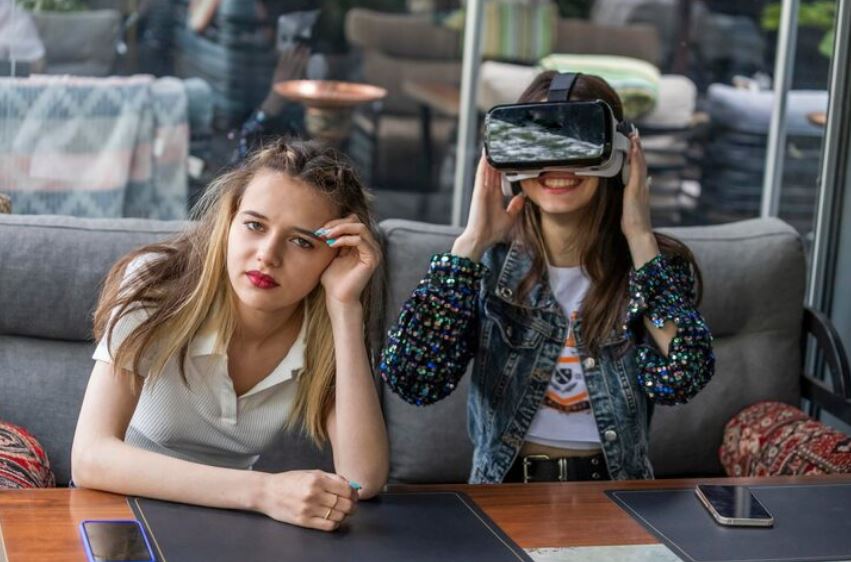
Immersive TechnologiesAR mirrors, VR runways, and virtual try-ons reframe fashion discovery and delight

The big names in fashion took notice. Balenciaga made an appearance on Fortnite. Roblox was adopted by Gucci. League of Legends partnered with Louis Vuitton. These were calculated turns, not publicity gimmicks. Reaching gamers first was made possible by especially creative partnerships between tech behemoths and fashion houses. For legacy brands, maintaining relevance was more important than maintaining status, as cultural clout is determined by digital presence.

That relevance has spread to physical fashion in recent years. Real-life attire started to be influenced by avatar-based styling. Teens imitated the characters in their games. Beauty tutorials introduced digital makeup trends. Pastel gradients worn in virtual clubs were replicated in hair salons. Across mainstream fashion, this reverse pipeline—digital inspiring physical—sparked a noticeably better sense of risk-taking.

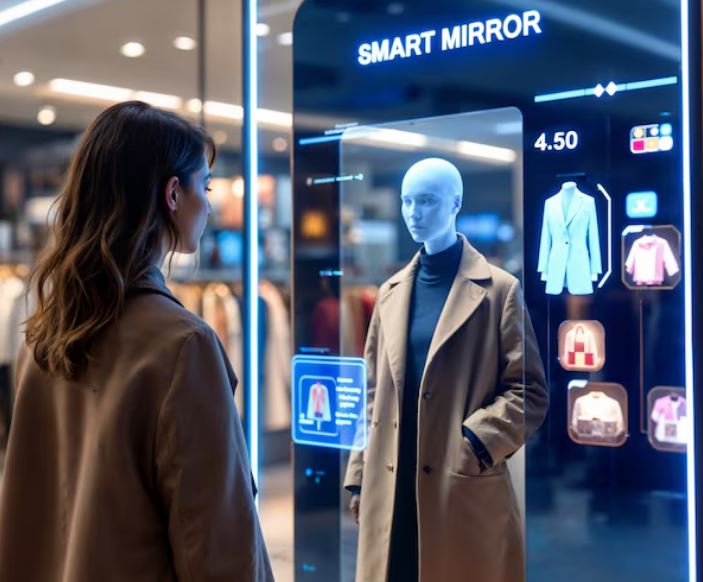
Retailers moved quickly. Customers can virtually try on clothing in-store thanks to smart mirrors. Valentino used augmented reality to provide lipstick try-ons. Shiseido gave customers a 4D fragrance experience. These activations weren’t gimmicks; rather, they deepened engagement, increased dwell time, and established the brand as having an emotional bond with its audience.

The audience for fashion became as hazy as its identities. Avatars gave traditionally marginalized communities a sense of freedom. Non-binary users created fearless, flowing looks. Customers who are plus-size experimented with styles that aren’t always readily available. Additionally, new tastemakers frequently came from non-traditional fashion backgrounds, such as graphic designers, game developers, or even teenagers using 3D software.

Brands started creating ecosystems by forming strategic alliances with metaverse platforms. These virtual showrooms evolved into social hubs in addition to being places to display inventory. Owners of digital sneakers or NFT jackets could access private communities, parties, and benefits through token-gated access. The purpose of fashion changed over time, moving from material aspiration to emotional belonging.

Another result of this emotional change was sustainability. Digital design has emerged as a compelling alternative to fashion’s environmental footprint, which has long been criticized for waste and overproduction. No cotton, no dyes, and no shipping are needed for virtual pieces. Physical consumption declines when consumers satisfy a portion of their digital self-expression. It’s a very positive step toward balance, even though it’s not a perfect solution.

In this case, fashion was not superseded by the metaverse. It made it larger. Virtual reality pattern-making was first investigated by traditional design schools. Fashion leads were hired by tech companies. Stylists and cryptocurrency investors worked together. The ecosystem changed from rigid to fluid, from exclusive to inclusive.

Surprisingly, offline shoppers were not turned off by this movement. Rather, it attracted them. One example of how digital storytelling can improve appreciation for legacy design is Vogue’s immersive runway exhibit. Guests talked about style as an experience rather than just a product, stayed longer, and interacted more.

What we wear online is now very personal for both fashion futurists and early adopters. It conveys intent, tribe, and mood. In a time when physical space can feel constrictive or politicized, it permits expressive freedom that has a particularly powerful effect. Style feels more open, approachable, and truthful when it is not bound by geography or tradition.

In the future, fashion’s digital evolution is probably going to pick up speed. Customers will create wearable collections that span apps, augmented moments, and avatars as platforms become more interoperable and digital wallets offer cross-platform assets. Fabric may no longer be necessary for designers to attract attention. All they’ll need is code and creativity.

The effects of the metaverse on our sense of style are still being felt. It’s a change from fabric to fantasy, from ownership to identity. It returned fashion to the individual through code, community, and curiosity. And in the process, it changed more than just our wardrobe. It altered our self-perception.

Why Gen Alpha Thinks Fast Fashion Is Ancient History — and What That Means for the Industry’s Future

Fast fashion is starting to seem like a holdover from a more irresponsible time. Purchasing inexpensive clothing that is meant to be thrown away after a few wears seems incredibly archaic to Gen Alpha. They are growing up with a keen awareness of waste, digital transparency, and climate fear. This generation is rethinking what fashion should mean, not just opposing quick fashion.

Why Gen Alpha Thinks Fast Fashion Is Ancient History

Gen Alpha views mindful consumption as commonplace rather than admirable because they were raised by Millennial parents who already place a high importance on sustainability. For them, renting an outfit, recycling clothing, or exchanging things with friends is just as natural as streaming music rather than purchasing CDs. This change is especially advantageous to the cause of sustainability because it feels natural and unforced. These young shoppers are living responsibility rather than just learning it.

Key Details About Gen Alpha’s View on Fast Fashion

InformationDetails
GenerationGen Alpha (born 2010–2025)
Core ValuesSustainability, individuality, transparency
Shopping BehaviorPrefers vintage, rental, and resale models
InfluencesMillennial parents, Gen Z culture, digital literacy
Style PreferencesAuthenticity, nostalgia, self-expression
Key TrendCircular and tech-enabled conscious fashion
Reference Source

Millennial values have a profound impact. Many of these parents are instilling thoughtful habits in their children because they are tired of excessive consumerism. They prioritize quality over quantity, shop secondhand, and fix what broken. Gen Alpha therefore sees “unique” as necessary and “new” as optional. Their clothes are more about showcasing their individuality than they are about adhering to trends. Value is determined by authenticity rather than price.

Technology is incredibly powerful in influencing this way of thinking. Being the first generation to have grown up entirely in a digital world, Gen Alpha uses technology to make better judgments. They look for items that fit their principles, compare costs, and assess sustainability ratings using resale apps, digital stylists, and AI purchasing tools. This generation can determine what is sustainable with a few taps, so they don’t need marketing slogans to tell them.

This awareness is perfectly suited to vintage fashion. For them, character is more important than nostalgia in the conventional sense. They perceive history in each hand-stitched patch, faded denim jacket, and worn trademark hoodie. It adds emotional depth and uniqueness to their look that fast fashion could never match. Vintage clothing evokes a sense of narrative, and because of its emotional resonance, it is highly adaptable as both fashion and philosophy.

GapVintage, a partnership with designer Sean Wotherspoon, is among the best illustrations of this movement. The firm discovered a very effective method to attract to younger customers who are looking for authenticity by bringing back classic items from the 1980s, 1990s, and early 2000s. The ad emphasizes how purposefully reimagining the old can make it feel completely fresh. The collection’s appeal shows how circular fashion can become aspirational rather than alternative when combined with storytelling.

This evolution is supported by the data. According to ThredUp’s 2023 Resale Report, younger customers will be a major factor in the worldwide secondhand market’s projected growth of over 120% by 2026. Because it allows people to show their personality and cut down on waste, over two-thirds of them say they prefer purchasing used goods over new. For Gen Alpha, resale sites like Vinted and Depop are about preserving their identity rather than saving money.

This mindset is indicative of a broader cultural movement toward “slow fashion,” in which consideration takes the place of impulse. For a generation that often hears stories about climate change, the concept of disposable clothing seems meaningless. They have a very clear idea of what they want: ethics, creativity, and transparency. Brands are immediately called out when they falsify it through greenwashing or phony “eco” labels. For firms looking to gain their allegiance, authenticity is a survival strategy rather than a selling point.

The function of celebrity influence is still present, but it is evolving. This new fashion philosophy is best represented by celebrities such as Emma Chamberlain, Zendaya, and Billie Eilish. It’s more than just glitz when Zendaya dons a vintage Valentino gown on the red carpet; it’s an act of sustainability. When Billie Eilish promotes thrifted items or repurposes clothing, it normalizes a new form of meaningful luxury. The antiquated notion that prestige necessitates extravagance has been dismantled by these figures, who have made repetition fashionable once more.

Meanwhile, fast fashion companies are being held accountable. Some are rushing to adjust, introducing restricted “eco” lines or take-back initiatives. However, Gen Alpha has a keen eye for dishonesty. The paradox is too glaring to overlook when a corporation releases thousands of new products per week while claiming to be sustainable. How brands behave—whether they design for durability, transparency, and repairability—is the true litmus test, not what they claim.

The idea of ownership is also evolving. Digital encounters have just as much of an impact on Gen Alpha’s fashion choices as do tangible ones. Before they ever purchase actual apparel, youngsters may try out digital fashion on platforms like Roblox, Fortnite, and Zepeto. In addition to promoting the value of self-expression without excessive production, these virtual wardrobes are drastically reducing waste. It’s an intriguing look into a future in which status is determined by creation rather than consumerism.

Another surprising ally of sustainability is nostalgia. In an overstimulated digital world, Gen Alpha’s love with “retro” aesthetics—from vintage denim to Y2K tracksuits—reveals a need for authenticity. They romanticize the real, the tactile, and the flawed. For them, the past provides a feeling of stability in the face of ongoing change. This emotional attraction to classic brands like Gap and Levi’s demonstrates that sustainability doesn’t have to compromise style—in fact, it may improve it.

Often accused of promoting trends, social media has really emerged as a potent teaching tool for this change. In order to demonstrate creativity over consumption, TikTok producers now submit “outfit rewear” challenges, customizing the same item in several ways. Unboxing videos have been replaced by thrift hauls. Millions of people view the hashtag #slowfashion, demonstrating that sustainability is now more than simply an ideology. This democratization of environmental knowledge is incredibly successful in changing behaviors from a young age.

This change also suggests that fashion will have a more balanced future. As Gen Alpha becomes older, they will bring moral influence in addition to purchasing power. They will anticipate that brands will provide long-term design promises, verifiable supply chains, and repair services. They consider wastefulness to be as out of style as shoes from the previous season. Additionally, they have the collective awareness and digital means to hold businesses accountable, unlike prior generations.

The way that Gen Alpha’s thinking effortlessly combines pleasure and purpose is what makes it so inventive. They view sustainability as expressive rather than constrictive. For them, fashion is about ongoing progression rather than continual novelty. They invest emotionally and creatively in their wardrobe, purchasing fewer things but appreciating them more. For many years to come, that harmony between morality and beauty may reshape what luxury means.

In contrast, fast fashion, which was once praised for its rapidity and accessibility, now seems incredibly antiquated. It symbolizes a reckless way of thinking that is out of step with the times. The industry is learning a critical lesson from Gen Alpha: advancement is about creating better, not more. Their decisions give optimism that originality can flourish without excess and that fashion can change without being exploited.

Why the New It-Bag Isn’t Leather — It’s Data-Driven and Selling Out Fast

The New It-Bag Isn’t Leather — It’s Data-Driven

Previously, exclusivity was whispered by the leather bag, but these days, the silent algorithms in the background are speaking for you. A bag used to be all about the signature stitching or buttery texture. These days, trend heatmaps and predictive models are frequently used to determine when and how a silhouette becomes iconic. Not only is a bag like Telfar’s designed, but it is also tested by digital rhythm, data, and culture. These new accessories, which are influenced more by analytics dashboards than by Parisian ateliers, are remarkably successful in changing industry expectations.

Young designers like Brandon Blackwood have been able to make astute choices regarding color drops and client targeting by utilizing algorithmic data. His ESR mini-tote with the slogan “End Systemic Racism” went viral during the pandemic not just due to sentiment but also because it was purposefully released in hues that complemented the algorithmic moment of fashion. It reflects a generation of creators who are balancing ethos with efficiency and is remarkably resilient in both messaging and construction.

Key FactorDescription
Design IntelligenceAI tools are being used to analyze trends and shape handbag silhouettes in real-time
SustainabilityBrands use data to minimize waste and track environmental impact with exceptional clarity
Pricing StrategyAlgorithms identify sweet spots for pricing based on consumer demand and market saturation
PersonalizationData inputs allow for custom colors, monograms, and features chosen by individual customers
Celebrity IntegrationStars like Kim Kardashian and Dua Lipa wear data-informed designs with notably improved relevance
Resale PerformancePredictive analytics track bags with high resale value, guiding design and launch strategies
E-commerce EvolutionAugmented reality and AI chat tools are significantly changing how people shop for bags online
Cultural SentimentSocial justice, diversity, and community-driven storytelling notably impact brand perception
Viral TractionTrending designs from Instagram or TikTok drive sudden spikes in demand with strikingly similar arcs
Link to Referencehttps://www.vogue.com/magazine/bags

Data is equally important to retailers. Louis Vuitton has made it possible for secondhand buyers to authenticate themselves easily by incorporating blockchain technology. This strategy greatly decreased fraud rates while enhancing the dependability of their online stores. That layer of authenticity has turned a luxury purchase into a measurable investment in the context of changing consumer trust.

Demand curves, however, are truthful. Not by accident, but by design, tote bags continue to dominate sales at 41.1%; data shows how versatile they are across all demographics. Engagement metrics indicating a preference for nostalgic lines and heritage chic support the current trend of structured shoulder bags that evoke the elegance of the 1950s.

The market’s breadth and diversification have significantly increased over the last ten years. Younger customers are looking for more than just a logo; they also want a narrative, a cause, and a unique design. Brands like Ree Projects are lowering their carbon footprint without sacrificing style by streamlining waste using local manufacturing data through strategic partnerships with sustainability platforms. Their folded Ann Tote, which bears the name of a mentor, demonstrates how highly effective logistics can coexist with emotional nuance.

Fashion icons like Alexa Chung and Instagram influencers like Troye Sivan are contributing to the growth of the data-driven bag. AI trend-forecasting tools had already predicted the reissue of Harper’s Bazaar when Chung brought back her beloved Chloé Paddington in a recent photo shoot. In addition to being in style, the romantic nostalgia of the 2000s was predictable. Algorithms were aware of our readiness before we were.

It’s critical for early-stage startups to comprehend distribution. These days, Shopify DTC channels display especially creative tactics like user-driven color votes and modular bag drops. Instinct is not the only motivation behind these campaigns. They are based on consumer behavior insights and heatmap data from earlier collections.

Anecdotally, consumers now anticipate being included in the bag’s narrative. Crowdsourced design choices are incredibly powerful loyalty builders, not just gimmicks. New bag brands are moving away from traditional fashion hierarchies and giving consumers a voice by incorporating TikTok reactions, survey feedback, and comment sections.

Resale platforms such as Vestiaire Collective and Rebag are now able to suggest launch windows for new silhouettes that optimize resale margin and FOMO through algorithmic monitoring. Because of this, designers now plan for moments rather than seasons. High-performing bags, such as the Prada Re-Edition, have seen noticeably quicker turnarounds in resale cycles since the introduction of these predictive resale tools, confirming the strategy.

Software and silhouette will likely intersect even more in the years to come. There are already plans for AR filters integrated into product tags, solar-charging tech linings, and GPS-enabled handles. This is fashion responding to a generation that was brought up with biometric unlocks and QR codes; it is not science fiction. Product mapping that is exceptionally clear will soon be just as important as leather grain.

Pricing is still a big factor, of course. Based on data from Etsy and Amazon, the most active conversion zone is mid-range pricing, which is between $75 and $250. This tier permits experimentation without taking on undue risk by striking a balance between affordability and prestige. The new bag contains your data profile, resale value, and lifestyle forecast in addition to your possessions.

Accessibility is the new gold, in contrast to earlier times when exclusivity was the norm. Brother Vellies’ Aurora James has leaned toward designs that feel both scalable and personal as she reflects on her own journey from CFDA mentorings to community-driven campaigns. Her bags are as much about tradition as they are about forward-thinking narrative, and they are incredibly robust in both design and purpose.

The modern It-bag is ultimately coded using layers of analytics, sustainability metrics, and community ethos rather than being made of simple leather. It’s evident that subtle precision has taken the place of ostentatious branding as Phoebe Philo makes a comeback to the fashion industry with her data-driven minimalist collection. What moves the bag forward is more important than who carries it.

The Secret Power of Digital Threads Every Fashion House Wants Now

The Secret Power of Digital Threads Every Fashion House Wants Now

In the past, designers relied on separate tools that were connected via email chains and spreadsheets. Many people are adopting the digital thread today, not because it’s a fad but rather because it’s revolutionizing the way things are constructed, improved, and monitored. The way creative decisions are made, from concept to final product, is being actively reshaped by this change, which is not merely theoretical.

Digital threads link every phase of the product lifecycle, from design sketches to final assembly, to produce an incredibly transparent and effective pipeline. This method lowers lag and error, which is especially advantageous in fast-paced industries like advanced manufacturing, fashion, and aerospace, as opposed to legacy systems, which frequently malfunction during handovers.

Key ElementExplanation
Digital Thread DefinitionA seamless flow of data connecting design, engineering, production, and maintenance.
Collaboration BoostEnables real-time teamwork and transparency across departments and even continents.
Efficiency GainsReduces delays, eliminates errors, and speeds up decision-making through data-driven workflows.
Sustainability LinkEncourages better forecasting, reduced waste, and environmentally conscious production cycles.
Regulatory ImportanceCritical for compliance frameworks such as the EU Digital Product Passport.
Celebrity InfluencePromoted by advocates like Stella McCartney, who use tech to merge sustainability and design.
Luxury AdoptionBrands like Burberry and Balenciaga embed digital threads for quality tracking and transparency.
Digital Twin IntegrationComplements virtual product models, supporting predictive maintenance and lifecycle monitoring.
Smart Factory EnablerPowers AI-driven manufacturing with real-time machine insights and automated adjustments.
Cultural ShiftReflects a larger trend toward accountability, ethical sourcing, and adaptive design thinking.

For example, Centric Software-partnered fashion designers are now integrating design tools with production planning systems, enabling real-time updates for everything from garment fit to fabric sourcing when a design changes. Significant waste reduction, faster turnaround, and greater personalization are all made possible by this smooth loop. Stella McCartney, a longtime supporter of environmentally friendly fashion, has notably collaborated with sites like Evrnu and Bolt Threads to monitor sustainability metrics in her products by utilizing comparable digital concepts. These acts demonstrate how ethical design principles are perfectly compatible with digital threads.

Even geographically dispersed teams are maintaining close communication thanks to strategic alliances and cloud-based collaboration tools. By allowing small startups like JetZero to function with the same technical precision as Fortune 500 manufacturers, tools like Siemens Xcelerator have proven to be especially innovative. For instance, before the first bolt was tightened, JetZero’s all-wing aircraft was tested, simulated, and modified in virtual environments driven by interconnected digital threads.

Real-time access to changing design files became crucial during the pandemic when teams had to work remotely. This was made possible by platforms such as Authentise Threads, which allowed engineers to instantaneously chat, annotate, and approve changes. With all stakeholders using the same “source of truth,” decision-making could proceed much more quickly, cutting down on delays and misunderstandings.

Digital threads are assisting in the simplification of complex semiconductor design processes that previously needed months of manual validation. Companies like Siemens have developed systems that allow design flaws to be identified and fixed before they become costly production issues by combining simulation data with manufacturing feedback. Industry experts like Dr. Andras Vass-Varnai and David Corey talked about how digital threads are strengthening global supply chains against volatility and improving product quality in recent podcast episodes.

Growing regulatory requirements are another factor propelling the move toward digital threads. Only a digital thread can effectively provide the unprecedented traceability for goods that the upcoming EU Digital Product Passport will require in the context of European legislation. Luxury brands, who now use these systems to demonstrate authenticity, origin, and ethical sourcing, should pay special attention to this.

In the fields of aerospace and defense, a remarkably similar story is developing. When building the Queen Elizabeth-class aircraft carriers, BAE Systems made extensive use of digital threads. With several teams operating under tight guidelines, a single misunderstanding could have caused expensive delays. BAE made sure that all partners had access to the most recent digital models, which guaranteed timely delivery and consistent quality. These digital threads aid in keeping precise maintenance records even after deployment, which is essential for long-term performance.

Additionally, digital threads provide extremely effective quality control by utilizing advanced analytics. Engineers and sourcing managers may be notified by the system if a factory sensor detects a change in material strength, which may lead to a vendor or process review. In addition to saving money, this automation is especially creative in that it foresees issues before they become serious.

It is anticipated that in the upcoming years, AI-powered design tools will integrate even more thoroughly with digital threads, establishing a feedback loop between design choices and customer behavior. Consider auto parts that indicate their own improvements or apparel that changes according to wear patterns. Faster iteration cycles and remarkably long-lasting, well-tailored, and surprisingly cost-effective products are the end results.

The industry is progressively overcoming the implementation challenges with the help of open data standards and strategic partnerships. The digital thread is evolving into the unseen infrastructure of creativity, encompassing everything from independent designers working from home studios to high-end fashion houses and aerospace engineers. It provides a clarity that was previously unattainable, is extremely versatile, and is extremely efficient.

This allows early-stage designers to spend more time honing their concepts and less time battling corrupt file versions. It means data integrity and scalable coordination for large manufacturers. Additionally, it guarantees customers that the products are made with care, responsibility, and accuracy.

When Algorithms Start Styling You, The Future of Fashion Is Watching and Learning Your Style

When Algorithms Start Styling You: The Future of Fashion Is Watching and Learning Your Style

It used to be science fiction to think that an invisible digital stylist might one day influence your wardrobe choices. It’s a more fashionable reality these days. Fashion, which is inquisitive and constantly changing, has looked to artificial intelligence for both inspiration and innovation. From your shopping cart habits to your Instagram saves, algorithms are subtly learning your preferences and building digital profiles that are detailed enough to determine when you’re ready to move from jeans to tailored pants.

Algorithms now examine fashion trends in the same way that meteorologists forecast weather patterns thanks to the use of enormous datasets. Heuritech, a Paris-based company that works with fashion behemoths like Prada and Skims, searches Pinterest pins, TikTok trends, and runway shows for early warning signs. Notably, their models foresaw the arrival of minimalist flat sandals, yellow hues, and dotted prints during fashion weeks. These are calculations, not random events.

FeatureDescription
Trend PredictionAI scans millions of images and signals to forecast fashion patterns
Personalized StylingApps recommend outfits based on your body, taste, and digital habits
Virtual Try-OnsSimulates real-life fit using your image, size, and motion data
Smart Inventory PlanningPrevents overproduction by accurately forecasting demand
Designer CollaborationUsed by brands like Prada and Hilfiger to co-create with AI systems
Sustainable SourcingTools analyze impact of raw materials before production begins
Micro-Trend DiscoveryDetects niche movements early, from TikTok virality to regional shifts
Sentiment AnalysisGauges fashion mood by decoding influencer and shopper content
Digital-Only CollectionsEntire lines are now launched in virtual fashion shows and avatars
Adaptive Fit TechnologyAI helps brands develop more inclusive, accurate sizing for real bodies

AI’s capacity for prediction has simplified processes and freed up Amy Sullivan’s creative energy at Stitch Fix. She pointed out that “we can visualize clothing on digital avatars within minutes, instead of waiting weeks for samples from overseas.” In response to a straightforward query, AI generated simulations that ultimately resulted in the production of blue stripes. This eliminated guesswork, time, and expense.

Companies like Tommy Hilfiger have significantly enhanced their design pipeline by forming strategic alliances with AI developers. AI finds what will appeal to customers by analyzing thousands of street style photos and past runway data. It enhances human creativity rather than replaces it. Whether an oversized blazer should be sequin-trimmed or made from recycled wool is still up to the designers.

Social media has greatly accelerated trend cycles over the last ten years. Because of TikTok trends that are boosted by algorithmic nudges, a dress that was spotted on Kylie Jenner today may sell out by tomorrow. Francesca Muston of WGSN stressed that AI assists brands in identifying which of these viral trends have the potential to be profitable. She clarified that “commerciality and entertainment are two different things.”

AI steers clear of the pitfalls of creating unpopular products by identifying which trends are attracting attention and which actually lead to sales. As a result, the rate of deadstock inventory is greatly decreased, increasing fashion’s efficiency and ability to meet demand.

The sustainability potential of this change is what makes it so novel. Deciphering which raw materials have the highest environmental cost was the goal of Stella McCartney’s partnership with Google’s AI team. Before a single stitch is made, designers can make morally sound choices by combining this data. Fashion is becoming cleaner as well as smarter thanks to this data-first mentality.

More and more fashion brands that only sell online have surfaced in recent years, with collections that never come into contact with fabric. For instance, The Fabricant sold a virtual dress—an ensemble seen only in digital photographs—for almost $10,000. These patterns demonstrate how fashion has changed from being a product to an experience. In addition to creating the design, AI makes sure it complements the user’s digital identity.

Customers now enjoy a remarkably similar benefit that was previously reserved for celebrities: custom styling, as personal style becomes increasingly algorithm-guided. Virtual assistants such as Style DNA and Smart Mirrors are incredibly effective and reasonably priced. They look through your existing wardrobe, suggest outfits, and even recommend new pieces based on your preferences and schedule. Your AI stylist is always available, whether it’s for a Zoom meeting or a date night.

There are wider cultural ramifications to this change. Editors, purchasers, and luxury houses were the main sources of fashion taste for many generations. These days, the crowd is decentralized and digital. Style authority has become more diverse and fragmented as AI amplifies microtrends. In less than a day, a trend that originates in Seoul and spreads to Stockholm due to popular preference rather than an elite decree. Despite being data-driven, fashion has become more democratic.

Meanwhile, it’s rumored that celebrities like Zendaya, who is renowned for her daring fashion choices, use AI tools to pre-visualize their red carpet options. Although stylists maintain control, they are assisted by platforms that can replicate looks in different lighting conditions and body positions—tools that significantly increase the accuracy of planning for appearances under pressure.

Naturally, concerns about identity, taste, and agency surface in the context of this technological revolution. Are we being picked for what we wear, or are we picking what we wear? How we interact will determine the solution. AI can help you, not guide you, if it recognizes your preference for neutrals or your love of layered textures. It’s important to strike a delicate balance between influence and inspiration.

At the core of it all, however, is human intuition. AI is capable of tracking color schemes and silhouettes, but it is unable to simulate the sensation of putting on an article of clothing that fully captures your individuality. That is still human territory. That intuitive spark is not lost, but rather is enlightened as fashion increasingly works with machines.

logo My Dressoir kledingverhuur designer jurkenverhuur outfit huren galajurken bruiloft feest

My Dressoir geeft jou toegang tot de mooiste designer items voor elke gelegenheid voor een fractie van de prijs en zonder iets te kopen. Dat is goed voor je portemonnee en het milieu!

Contact

De snelste manier op met ons in contact te komen is via onze chatbox.

Wil je een item passen? Dat kan, klik hier.

Of bekijk onze contact pagina.

You don't have permission to register

Spread the love & rent for free

X

Ontvang 10€ huurtegoed elke keer als je vriendinnen My Dressoir gebruiken (zij ontvangen ook 10% korting). Vertel ze gewoon dat ze jouw link kunnen gebruiken!

Log in om jouw persoonlijke link te creëren en te delen
Start met delen