

Ontvang 10€ Korting
GROOTSTE DESIGNER SALE EVER! | Koop tot dinsdag met +25% EXTRA korting designs in de uitverkoop (code: KOOPPRELOVED25)
Inclusief verzend & stomerij kosten (t.w.v €24,-)
Één outfit per reservering inwisselen voor andere outfit of tegoed*
Inclusief verzend & stomerij kosten (t.w.v €24,-)
Één outfit per reservering inwisselen voor andere outfit of tegoed*

The Power Suits Are Back — but They’re Genderless This Time, Fashion’s Most Democratic Comeback

The Power Suits Are Back — but They’re Genderless This Time

The contemporary power suit has returned, but it is no longer characterized by gender or shoulder pads. The statement is much more inclusive and subtle this time. The garment’s freedom now whispers confidence, whereas its structure once shouted authority. Fashion is the language of individuality, and designers, celebrities, and young consumers are driving this quiet revolution.

Tailoring from the 1980s has softer edges. Flowing shapes and adjustable fits have replaced the rigidity that once distinguished men’s and women’s clothing. Designers such as Gucci and Saint Laurent are creating clothing that speaks to the wearer rather than the gender for which it was designed. The suits seen on today’s catwalks are about comfort, individuality, and genuineness rather than conformity.

AspectDescription
ConceptA fashion shift emphasizing inclusive tailoring that celebrates individuality and comfort
EvolutionFrom rigid 1980s corporate armor to fluid, adaptive designs that transcend gender norms
Key DesignersGucci, Louis Vuitton, Saint Laurent, Loewe, Kanika Goyal, Siddartha Tytler
Defining FeaturesRelaxed fits, versatile cuts, breathable fabrics, neutral and expressive color palettes
Cultural SignificanceRedefines authority, promotes self-expression, and encourages inclusivity across genders
Authentic SourceThe New York Times – Fashion and Style (2025 Edition)

Inspired by queer artists Larry Stanton and Patrick Angus, Saint Laurent’s Spring/Summer collection combined structured jackets with delicate colors and soft textiles. For Ayo Edebiri’s 2025 Golden Globes ensemble, Loewe also reinterpreted Julia Roberts’s 1990 Armani moment, substituting draped elegance for sharp shoulders and a feather necklace for the conventional tie. These designs feel noticeably better, substituting a sense of self-assurance that doesn’t require validation for outdated “power dressing” formulas.

The suit was once referred to by fashion historian Anne Hollander as “the human body, idealized.” The modern reinterpretation, however, feels more compassionate; power is reframed as ease. The meaning of the garment has changed significantly. It now stands for self-expression and self-ownership instead of corporate ambition. The suit now belongs to anyone who is prepared to feel capable and liberated, not just those in the boardroom.

Gen Z has been the main driver of this change in recent years. They have significantly blurred the lines between gendered clothing through social media. The #GenderlessStyle tag has received billions of views on TikTok, where creators have paired blazers with skirts, sneakers, or corsets—often in whimsical, unique ways. Their strategy is incredibly successful in bringing authenticity into the mainstream; it is not rebellious for the sake of rebellion.

In many respects, the pandemic hastened this development. The pace and expectations of fashion slowed along with the rest of the world. Comfort turned into money. Restrictive office attire started to give way to loose-fitting pants and oversized blazers, demonstrating that authority could be at ease. “The modern power suit is about confidence, not control,” according to The Manual. The way people dress and express themselves has become a permanent home for that sentiment.

Fashion houses have become especially creative in fusing design and identity by incorporating fluid tailoring. In their most recent collections, Gucci and Louis Vuitton completely abandoned gendered sizing, referring to suits as “made for you.” This movement is inclusive by design and intention, and the phrase sums it up perfectly. Through the use of organza inserts, asymmetrical hemlines, and surreal detailing, independent designers such as Kanika Goyal have brought playfulness into formal wear while maintaining sophistication.

In the past, power dressing required imitation; in order for women to be heard, they had to imitate masculinity. The suit is now used as a tool to change that script. The statement “I don’t have to dress like a man to be taken seriously anymore” was aptly put by marketing strategist Anusha Hisaria. A generation that wears confidence in a different way—softly but decisively—is reflected in her preference for baggy blazers and playful ties.

This new kind of empowerment is the result of cultural changes. Chanel’s tweed sets, which are emblems of independence, were created in the 1920s. Yves Saint Laurent’s Le Smoking, which featured women wearing tuxedos, shocked viewers in the 1960s. Every feature, including the shoulders, ambition, and authority, was exaggerated in the 1980s. The age of balance in fashion has now arrived. The genderless suit allows wearers to define their own strength by embracing both structure and sensitivity.

This change has been accelerated by celebrities. Timothée Chalamet’s open-backed ensembles and Zendaya’s effortlessly flowing red carpet suits have become cultural markers for this shift. They convey a very strong message that self-expression is universal: their appearance is about energy rather than gender. Even Riley Keough’s cropped Chanel suit with a sheer top exuded confidence as someone who dresses to express their own strength rather than to conform to social norms.

Instead of being cautious in their response to this demand, luxury brands are being creative. Modular tailoring was first seen in Louis Vuitton’s 2026 collection, which included shirts for all body shapes, pants with waist adjustments, and jackets with detachable panels. More significantly, this flexibility is inclusive and incredibly effective. “Genderless fashion is not about neutrality — it’s about possibility,” as The Guardian stated.

This evolution reflects more profound shifts in society. Dress codes are being rethought in workplaces, with flexibility replacing formality. According to a McKinsey report from 2025, businesses that implemented gender-neutral dress codes saw an increase in employee belonging and satisfaction. Once a representation of homogeneity, the office suit now stands for diversity and unity. It’s a welcome change that combines authenticity and professionalism instead of repression.

Leading this new trend with cultural awareness are independent designers in Asia and the Middle East. With draped designs that can be altered with basic button loops, Anuj Sharma, the founder of Button Masala, has reinvented the suit for tropical climates. He holds that power comes from choice rather than prescription, which is a wonderfully democratic philosophy. The global trend of genderless tailoring is strongly aligned with this spirit of personalization.

Through experimentation and empathy, the relationship between fashion and gender is being rewritten. This balance is aptly reflected in the contemporary power suit, which combines structure and softness. It is now an outfit for authenticity rather than merely a uniform for authority. This movement has remarkably transformed the suit into something more than fabric by embracing self-expression, inclusivity, and adaptability. It’s a discussion about our identities and how we want to be perceived.

This time around, the return of the power suit feels different—freer, more grounded, and unafraid to change. Its significance goes beyond clothes, whether it is worn with sandals, heels, or sneakers. It symbolizes freedom, self-assurance, and transformation woven into each stitch. Power suits are back, but they now belong to everyone as a common symbol of confident identity rather than as armor.
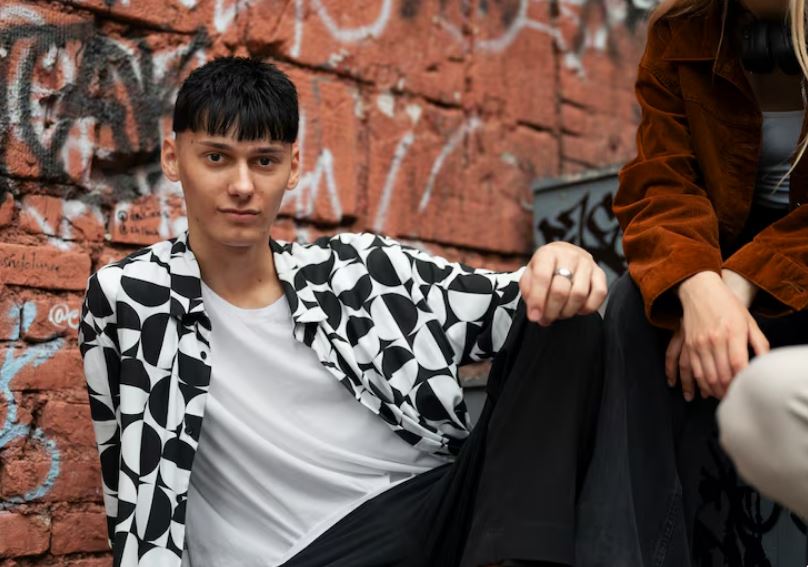
How Streetwear Stormed the Runway and Redefined Haute Fashion

When Streetwear Went Couture — and Never Came Back

The fashion establishment did more than simply shift when Virgil Abloh entered Louis Vuitton’s menswear studio; it exhaled. It was more than just a historic moment in 2018. For a whole generation that grew up wearing Air Force 1s and hoodies, it was incredibly affirming.

Streetwear has made a remarkable transition over the last ten years, moving from underground skate shops to the front row of Paris Fashion Week. This was no accident. It was purposefully led by a group of visionaries who viewed fashion as a cultural code that was incorporated into mixtapes, Instagram drops, and graphic tees rather than as elitist couture.

ElementDetail
TopicEvolution of streetwear into couture fashion
Key DriversHip-hop influence, social media virality, luxury collaborations
Influential BrandsOff-White, Supreme, Balenciaga, Louis Vuitton, Yeezy
Cultural ImpactRedefined masculinity, expanded luxury access, reshaped fashion weeks
Notable FiguresVirgil Abloh, Kanye West, Rihanna, Demna Gvasalia
Turning PointLouis Vuitton x Supreme (2017)
Core MessageStreetwear is no longer just youth rebellion—it is high fashion

Brands like Supreme and Off-White created emotional connections with customers by utilizing storytelling, scarcity, and hype. Notably, they disrupted conventional business models by substituting weekly drops for runway cycles and community-based exclusivity over price tags. In terms of revenue and resonance, these strategies were incredibly successful.

Relevance doesn’t always wear a tuxedo, as Demna Gvasalia’s oversized silhouettes at Balenciaga, which were heavily influenced by post-Soviet street aesthetics, made clear. Under his direction, Balenciaga evolved into a platform for sarcasm, disrespect, and cultural criticism without ever sacrificing its sense of style.

Collaborations between high-end retailers and streetwear brands have grown more frequent—even expected—in recent years. The highly successful 2017 collaboration between Louis Vuitton and Supreme wasn’t merely a marketing gimmick. Heritage and hype met in a decisive way, and both came out stronger.

Something similar was hinted at by Rihanna’s Fenty lines with Puma and then LVMH. Her participation in the luxury discourse was not only novel, but also refreshing, especially for a sector that is frequently criticized for being outdated. Her strategy combined the wearable with the aspirational, striking a balance between street-ready silhouettes and refined sensibility.

This cultural thaw has been especially helpful for up-and-coming designers. New voices are at last being heard through the incorporation of streetwear’s DNA into the craftsmanship of couture. Their success stories are changing industry norms, and many of them hail from groups that were previously shut out of fashion’s exclusive spaces.

The comfort-first philosophy of streetwear gained more popularity during the pandemic. Sweatpants became status symbols as office dress codes relaxed and online self-expression grew, while sneakers replaced brogues. Younger and more tech-savvy luxury consumers selected brands that resonated with them on an emotional level rather than those that were considered prestigious.

Instead of opposing this change, fashion conglomerates like Kering and LVMH have welcomed it through strategic alliances. In addition to market adaptation, their investment in streetwear-inspired lines reflects a broader ideological shift toward inclusivity and cultural immediacy.

Streetwear’s dominance feels more like a democratic correction than a fad in light of changing generational values. This is fashion that is about, by, and for the people. The divide between the runway and the audience, as well as between the designer and the customer, has been greatly diminished by this democratization.

Not every response has been joyous. The rise of streetwear, according to critics, dilutes craftsmanship, prioritizes hype over substance, and runs the risk of becoming oversaturated. Although legitimate, these worries frequently ignore the ways in which streetwear has rekindled creativity in a variety of fields. It can easily blend in with luxury minimalism, vintage nostalgia, or techwear due to its extreme versatility.

The way that fashion is consumed has changed as a result of streetwear’s adoption of digital platforms, which has happened much more quickly than traditional channels. Direct-to-fan storytelling is now the ecosystem’s main driver, from Instagram Lives to TikTok styling reels. Gatekeepers are no longer important; community and speed are now.

The best streetwear designers of today tell stories about identity rather than just selling clothing by incorporating cultural authenticity into each drop. Stitched with purpose and molded by collective sentiment, these clothes serve as wearable manifestos.

The couture credentials of streetwear aren’t going away in the future. They are, if anything, growing. Expect streetwear’s tenets to continue influencing both process and product as AI-generated design tools become more prevalent and virtual fashion shows become more immersive.

The message is very clear for both legacy houses and up-and-coming creators: change or die. Additionally, evolution frequently sports a hoodie in this setting.

What the Metaverse Did to Our Sense of Style, From Reality to Rendered Chic

What the Metaverse Did to Our Sense of Style

The metaverse had a profound impact on our sense of style that went beyond simply setting trends. Fantasy is not only possible but encouraged in the world of digital fashion, where flaming cloaks and translucent armor seem more appropriate than denim and wool coats. That change changed the way we express who we are. It transformed what it meant to be fashionable in a world not controlled by gravity, stitching, or seasons by making the avatar the focal point of personal aesthetics.

The metaverse has emerged as a highly productive creative playground by releasing fashion from material limitations. Clothes that fit your body, your budget, or your biology are no longer your only options. Alternatively, you can wear a mood like a second skin, whether it’s avatar-driven futurism, baroque silver, or pixelated neon. This isn’t costume play for younger generations in particular, who are digital natives. It’s the most truthful way for them to show themselves.

ElementDescription
Digital ExpressionAvatars offer remarkably flexible self-styling beyond physical limitations
Economic ImpactVirtual fashion, NFT wearables, and digital skins drive billions in new commerce
Creative BreakthroughsDesigners enjoy unparalleled freedom, unconstrained by fabric, physics, or production costs
Brand ReinventionLuxury labels now debut digital-first collections and virtual-only exclusives
Phygital IntegrationReal and digital outfits co-evolve, influencing each other with surprising intensity
Style Identity ShiftFashion becomes more about presence, story, and vibe than physical garments
User Behavior ChangeConsumers mimic avatar styles in real life—merging digital and offline aesthetics
Sustainability ProgressNo fabric waste, shipping emissions, or unsold stock—significantly reducing impact
Avatar InfluencePersonal style increasingly starts in the digital space and seeps into reality
Immersive TechnologiesAR mirrors, VR runways, and virtual try-ons reframe fashion discovery and delight

The big names in fashion took notice. Balenciaga made an appearance on Fortnite. Roblox was adopted by Gucci. League of Legends partnered with Louis Vuitton. These were calculated turns, not publicity gimmicks. Reaching gamers first was made possible by especially creative partnerships between tech behemoths and fashion houses. For legacy brands, maintaining relevance was more important than maintaining status, as cultural clout is determined by digital presence.

That relevance has spread to physical fashion in recent years. Real-life attire started to be influenced by avatar-based styling. Teens imitated the characters in their games. Beauty tutorials introduced digital makeup trends. Pastel gradients worn in virtual clubs were replicated in hair salons. Across mainstream fashion, this reverse pipeline—digital inspiring physical—sparked a noticeably better sense of risk-taking.

Retailers moved quickly. Customers can virtually try on clothing in-store thanks to smart mirrors. Valentino used augmented reality to provide lipstick try-ons. Shiseido gave customers a 4D fragrance experience. These activations weren’t gimmicks; rather, they deepened engagement, increased dwell time, and established the brand as having an emotional bond with its audience.

The audience for fashion became as hazy as its identities. Avatars gave traditionally marginalized communities a sense of freedom. Non-binary users created fearless, flowing looks. Customers who are plus-size experimented with styles that aren’t always readily available. Additionally, new tastemakers frequently came from non-traditional fashion backgrounds, such as graphic designers, game developers, or even teenagers using 3D software.

Brands started creating ecosystems by forming strategic alliances with metaverse platforms. These virtual showrooms evolved into social hubs in addition to being places to display inventory. Owners of digital sneakers or NFT jackets could access private communities, parties, and benefits through token-gated access. The purpose of fashion changed over time, moving from material aspiration to emotional belonging.

Another result of this emotional change was sustainability. Digital design has emerged as a compelling alternative to fashion’s environmental footprint, which has long been criticized for waste and overproduction. No cotton, no dyes, and no shipping are needed for virtual pieces. Physical consumption declines when consumers satisfy a portion of their digital self-expression. It’s a very positive step toward balance, even though it’s not a perfect solution.

In this case, fashion was not superseded by the metaverse. It made it larger. Virtual reality pattern-making was first investigated by traditional design schools. Fashion leads were hired by tech companies. Stylists and cryptocurrency investors worked together. The ecosystem changed from rigid to fluid, from exclusive to inclusive.

Surprisingly, offline shoppers were not turned off by this movement. Rather, it attracted them. One example of how digital storytelling can improve appreciation for legacy design is Vogue’s immersive runway exhibit. Guests talked about style as an experience rather than just a product, stayed longer, and interacted more.

What we wear online is now very personal for both fashion futurists and early adopters. It conveys intent, tribe, and mood. In a time when physical space can feel constrictive or politicized, it permits expressive freedom that has a particularly powerful effect. Style feels more open, approachable, and truthful when it is not bound by geography or tradition.

In the future, fashion’s digital evolution is probably going to pick up speed. Customers will create wearable collections that span apps, augmented moments, and avatars as platforms become more interoperable and digital wallets offer cross-platform assets. Fabric may no longer be necessary for designers to attract attention. All they’ll need is code and creativity.

The effects of the metaverse on our sense of style are still being felt. It’s a change from fabric to fantasy, from ownership to identity. It returned fashion to the individual through code, community, and curiosity. And in the process, it changed more than just our wardrobe. It altered our self-perception.

The Secret War Between Old Money Style and TikTok Fashion — Who’s Winning the New Aesthetic Battle

Beneath the shiny exterior of fashion, there is a subtle tension humming: a cultural struggle between TikTok and Old Money fashion. While one lives on speed, visibility, and reinvention, the other embraces subtlety and inherited grace. This continuous conflict is changing how individuals define success, belonging, and authenticity in addition to what they wear.

The Secret War Between Old Money Style and TikTok Fashion

TikTok radically reprogrammed the way we consume fashion, not just upending it. Previously carefully controlled identities, luxury brands are increasingly vying for virality. The runway has evolved into performance art, a stage designed as much for editors’ eyes as for phone screens. Not only was Bella Hadid’s Coperni dress spray-painted, but it was also a highly successful marketing blitz, garnering over 120 million views in a few of weeks.

Key Insights on the “Old Money vs TikTok Fashion” Phenomenon

InformationDetails
Core ConceptCultural clash between understated heritage aesthetics and fast-paced digital trend cycles
Key DriversSocial media virality, influencer marketing, nostalgia for timeless fashion, generational identity
Influential FiguresBella Hadid, Sofia Richie Grainge, Alix Earle, Joseph Altuzarra, Amy Smilovic
Cultural ImpactMerging exclusivity with accessibility; rethinking authenticity, taste, and consumerism
Emerging TrendsQuiet luxury, de-influencing, capsule wardrobes, vintage curation, long-form fashion storytelling
Reference Source

Everyone became a reviewer, curator, and designer thanks to the platform. Beneath the commotion, however, the Old Money style—linen shirts, subdued colors, classic tailoring—started to quietly resurface. The outcry against TikTok’s excess swiftly evolved into a movement. Gwyneth Paltrow’s minimalist courtroom or Sofia Richie Grainge’s subtle luxury served as a sort of haven in the midst of mayhem, demonstrating that moderation could nevertheless garner media attention.

Consistency, ancestry, and legacy are the cornerstones of Old Money style. It prioritizes craftsmanship over costume and is incredibly disciplined. A well-fitting pair of loafers, a navy jacket, and a white shirt are examples of clothing that exudes sophistication without being overt. They show more faith in permanence than in popularity. TikTok fashion, on the other hand, is a playground—wild, avant-garde, and very adaptable. Its core idea is to democratize taste by making fashion seem accessible, adjustable, and even throwaway.

TikTok became the fashion industry’s megaphone during the lockdown. Users who were confined to bedrooms and screens discovered ways to express themselves through microtrends such as “clean girl,” “mob wife,” “coastal grandmother,” and “indie sleaze.” Every aesthetic blazed brightly before disappearing the next day. Even its creators were worn out by this pace, which was much faster than conventional cycles. Slower, more thoughtful clothing became the norm when the desire for novelty became untenable.

The quiet luxury renaissance took off at that time. The irony was evident: subtlety became popular once more on TikTok, a platform known for its speed and spectacle. The app received billions of views from hashtags like #OldMoneyAesthetic and #QuietLuxury. People idealized timeless shapes, cashmere, and pearl earrings—not as exclusive emblems, but as ways to escape from the deluge of digital information. All of a sudden, self-control turned into disobedience.

However, this newfound admiration for style also brought up some issues. Is it possible for calm luxury to endure being hashtagged into virality? When everyone is encouraged to imitate it, can exclusivity still exist? In some respects, TikTok transformed Old Money style into a performance—not an inherited mentality, but an artistic garment. Its core, which is based on subtlety and anonymity, runs the risk of evaporating in the fire of continuous visibility.

Fashion brands saw the change and made calculated adjustments. Presentations on the runway became viral opportunities. Smaller companies like (di)vision produced moments just for TikTok during Copenhagen Fashion Week, such as a model getting up from a dinner table with a train fashioned from a tablecloth stained with wine. Entertainment has evolved into high fashion, and high fashion into entertainment. In an effort to humanize luxury once more, well-known designers like Amy Smilovic and Joseph Altuzarra joined the platform and shared incredibly honest views from their ateliers.

A wider cultural gap is shown in the difference between TikTok’s digital exuberance and Old Money’s subdued austerity. Immediacy is prized by one side, while heritage is valued by the other. However, they both yearn for purpose. Fashion today represents a collective need for substance in a fast-paced culture, whether it is incorporated into a viral soundbite or embroidered into a handcrafted blazer.

The popularity of TikTok also sparked some really creative discussions. Users rekindled interest in archival items, uncovered lost designers, and examined brand histories. All of a sudden, Gen Z was rediscovering 1960s Pucci prints, Courrèges miniskirts, and Vivienne Westwood chokers. Knowledge started to spread via the commotion, democratizing fashion history that had previously only been accessible to insiders.

However, the surplus never entirely disappeared. The platform turned into a theater of “hauls,” crammed displays of consumerism that gave the impression that luxury was a commodity. But even that story is changing now. The buzzwords “de-influencing,” “underconsumption-core,” and “mended hauls” are becoming popular. The emphasis has significantly changed from emphasizing acquisition to promoting longevity and self-care.

Surprisingly, Old Money fashion reflects this shift. It has traditionally valued caution, investment, and durability. In contrast to hasty fashion that follows trends, the stitched hem of a Savile Row suit or a leather bag that matures nicely feels incredibly robust. Despite its disarray, TikTok might have unintentionally brought back these lost virtues: patience, thrift, and thoughtfulness.

The generational divide is still intriguing. Old Money attire conveys tradition, education, and ancestry among Gen X and Boomers. For Gen Z and Alpha, clarity—a noise-resistant lifestyle—is more important than class. They are lured to the luxury of not having to yell and the incredibly effective elegance of simplicity. “Quiet luxury isn’t about money; it’s about peace,” one widely shared post stated.

The cultural conflict still exists, though. Old Money thrives on repetition, whereas TikTok thrives on creativity. Perhaps, however, their coexistence is symbiotic rather than conflicting. While Old Money ideals provide significance to ephemeral trends, the platform gives tradition a fresh perspective and a sense of fun. Together, they are creating a new notion of taste that combines aspiration with accessibility.

The conversation feels cyclical as rumors of TikTok’s potential ban spread throughout the United States. Fashion may revert to slower storytelling through blogs, lengthy essays, and possibly even print if the app disappears. “People into fashion should read more books about fashion,” fashion historian Cora Harrington recently told audiences. Her remarks seem remarkably pertinent. Unlike trends, knowledge cannot be skimmed.

The Great Wardrobe Reset: Why Everyone’s Dressing Simpler — and Feeling Better for It

The Great Wardrobe Reset is a societal realignment toward modern simplicity, mindfulness, and significance rather than merely a change in style. Individuals no longer overstock their closets with impulsive purchases or chase fads. Rather, they are creating more modest wardrobes that are a reflection of who they are: composed, deliberate, and more aware of what truly counts.

The Great Wardrobe Reset: Why Everyone’s Dressing Simpler

This change didn’t happen all at once. Our connection with clothing has changed significantly in the last several years. The never-ending cycle of purchasing and discarding is no longer appealing. Rather, individuals are spending money on fewer, incredibly durable items—clothing that makes daily tasks easier, lasts longer, and works harder. Less noise, more clarity is the utilitarian but intensely personal objective.

Key Insights About “The Great Wardrobe Reset

InformationDetails
ConceptSimplified dressing focused on comfort, sustainability, and authenticity
Lifestyle DriversRemote work, minimalism, decision fatigue, and eco-awareness
Fashion FocusCapsule wardrobes, neutral tones, timeless essentials
Cultural InfluenceShift from fast fashion to intentional, quality-driven style
Psychological ImpactReduced stress, improved confidence, and clear self-identity
Reference Source

Today, decision fatigue has spread like wildfire. It feels like a mental marathon to choose from dozens of clothing every morning before the day even starts. This mental strain has been significantly reduced by simplifying wardrobes. A well-chosen list of reliable necessities reduces stress and frees up time so that one can focus on the things that really need attention.

The rise in popularity of capsule wardrobes, a once-specialized minimalist idea, is no accident. In the midst of confusion, they appeal to people who need focus. Compared to possessing fifty costumes that hardly inspire confidence, having ten that you truly love seems very empowering. A consistent outfit can become a signature rather than a restriction, as seen by celebrities like Emma Watson, Mark Zuckerberg, and Steve Jobs.

Comfort has also asserted its legitimate position. The concept of “getting dressed” changed during and after the epidemic due to the move toward remote labor. Breathable fabrics that easily adapt to modern living, relaxed tailoring, and structured knits have replaced crisp suits and stiff heels. Because it accommodates reality rather than performance, this new equilibrium between elegance and easiness is incredibly effective.

There is a strong undercurrent of sustainability beneath this minimalism. People are well aware of the environmental costs associated with fashion, including the waste, pollution, and overproduction. They are engaging in what may be referred to as emotional sustainability by making better choices while purchasing less. A classic shirt or well-tailored coat serves as an anchor in terms of both style and morality. It’s a declaration that moderation can be very opulent.

This philosophy is embodied by the term “quiet luxury,” which has become increasingly popular in fashion discussions. It’s about confidence and craftsmanship, not slogans or excess. Simple elegance is more powerful than grandeur, as demonstrated by celebrities such as Sofia Richie Grainge and Gwyneth Paltrow. Their selections reveal a shared desire for genuineness above show.

This reset was undoubtedly influenced by the pandemic’s aftermath. Following months of seclusion and reflection, many people reassessed their ideals as well as their clothes. Clothing started to be more about comfort on the inside and less about approval from others. Neutral hues, loose silhouettes, and soft cashmere reflected a deeper psychological yearning for serenity. It felt especially healing to dress more simply, as if it were a fabric manifestation of self-care.

The movement is also supported by financial pragmatism. Consumers are choosing longevity above novelty during difficult economic times. Purchasing fewer high-quality items has proven particularly advantageous because it eventually saves money and lessens clutter. The “70/30 rule” governs the modern wardrobe: 30% expressive accents and 70% dependable fundamentals. It is a tangible form of equilibrium.

The clothing code for professionals has also changed. What some refer to as “power simplicity” has replaced the once-rigid “power suit.” The same authority, if not more, is communicated when a fitting jacket is worn with crisp pants or simple sneakers. Nowadays, dressing simply conveys competence and confidence rather than carelessness in both creative studios and companies.

This recalibration is permeating culture and isn’t just happening among fashionistas. Once posting daily “haul” videos, social media influencers now offer advice on thrift store shopping, wardrobe editing, and outfit repetition. Reusing clothing, which was once frowned upon, has become incredibly popular. With millions of views, the #CapsuleWardrobe craze on TikTok is evidence that deliberate repetition can alter contemporary style.

Additionally, simplicity is now more inclusive. Fashion’s fixation on size, trend, and perfection kept many people out of its discourse for years. Access to high-quality, eco-friendly basics in all sizes is being significantly increased by the new generation of brands, which includes Universal Standard and Everlane. They are democratizing elegance by emphasizing ageless design, fit, and feel. It turns out that everyone looks good when they are simple.

This reset now has a futuristic component because to technology. Users can now plan ensembles, cut waste, and find forgotten items with the aid of digital wardrobe platforms and AI-assisted stylists. Customers are greatly improving their purchasing behavior—making fewer but more intelligent purchases—by utilizing analytics and digital technologies. Once held responsible for excessive consumption, technology is now assisting in its reversal.

There is no denying the psychological advantages of this change. Having less clothing does not equate to having less; rather, it indicates having enough. Opening a closet where everything seems comfortable, useful, and attractive is especially liberating. This emotional clarity results in self-assurance. Simplicity has become an uncommon and priceless luxury in a world characterized by overstimulation.

Celebrities have contributed to the transformation of minimalism from austerity to desire. Daniel Craig’s fitted essentials, Zendaya’s elegant monochromatic looks, and Angelina Jolie’s muted ensembles all demonstrate the indisputable power of subtlety. They whisper with purpose rather than shout. Fundamentally, the Great Wardrobe Reset is about regaining that calm confidence—the notion that how you feel in your clothes is more important than how much you own.

According to sociologists, this pattern is a component of a larger trend toward “intentional living.” People are cutting back on everything from digital detoxes to smaller homes, as well as their entire lifestyles. The fashion reset is a powerful metaphor for a universal human longing: to rediscover simplicity in a culture that values luxury. People are discovering more—greater self-expression, more purpose, and more tranquility—by making fewer choices.

The widespread acceptance of simplicity portends a bright future for the fashion industry. Mindful appreciation is taking the place of the chaotic consumerism period. The goal of the modern consumer is to cherish their possessions rather than to get everything. Once specialized, this kind of thinking is now influencing the next wave of identification, fashion design, and retail.

Eliminating happiness and color is not the goal of the Great Wardrobe Reset. It’s about refinement—reducing one’s own style to its most basic form. It challenges us to rethink the idea that alignment, rather than accumulation, is the source of wealth. You need less of what you wear when you enjoy it. That insight has a profoundly transforming effect on closets and the culture that surrounds them.

The Rise of Recycled Luxury , Can Style Be Truly Sustainable, or Is It Just a Beautiful Illusion?

There is a shift in luxury fashion that seems both appropriate and long overdue. A greater understanding that responsibility, beauty, and craftsmanship can all coexist in meaningful ways is reflected in the emergence of recycled luxury. High fashion and environmental principles, which were formerly seen as mutually exclusive, have evolved into one of the most captivating stories in the industry. The notion that fashion may be sustainable is no longer a pipe dream—from Hermès’s trials with mushroom leather to Prada’s regenerated nylon—but rather the new standard for sophistication.

The Rise of Recycled Luxury , Can Style Be Truly Sustainable

A new generation of consumers who are deeply concerned about the consequences behind the glamour are driving this shift. Gen Z and millennial consumers are particularly adept at holding companies responsible. They desire exclusivity with a purpose, they anticipate innovation, and they want transparency. These customers are willing to pay an average of €460 more for products that reflect their environmental values, according to a European luxury survey—a statistic that speaks volumes about the future of the sector.

Key Details About the Rise of Recycled Luxury

InformationDetails
Core FocusSustainability meeting luxury fashion
Key BrandsPrada, Gucci, Hermès, Stella McCartney, Louis Vuitton
Major MaterialsECONYL®, regenerated cashmere, mycelium leather
Key Consumer GroupsMillennials and Gen Z luxury buyers
Business TrendUpcycling, circular economy, resale collaborations
Core ChallengeBalancing consumption with true sustainability
Reference Source

Being one of the first to notice this change, Prada substituted ECONYL®, a recycled fabric derived from abandoned fishing nets and industrial plastic waste, for conventional nylon. The material conveys a very obvious statement about rebirth while feeling just as opulent. To prolong product life, Gucci has also started repair and resale programs and introduced regenerated cashmere. These are not small adjustments; rather, they are a rethinking of luxury itself, shifting the focus from unending manufacturing to durability and accountability.

By investigating mycelium leather, which is produced from mushrooms rather than animals, Hermès and Stella McCartney have advanced this development even farther. This creation offers a tactile luxury that is cruelty-free and low-impact, and it is both symbolic and useful. The message is unquestionably progressive, the finish is elegant, and the texture is delicate. It’s an especially creative method that shows how design may drive social change without sacrificing aesthetic appeal.

In the meantime, Eileen Fisher and Louis Vuitton have embraced upcycling, turning leftover fabrics and scraps into unique creations. The notion that leftovers from the past could be turned into souvenirs in the future has been incredibly successful in changing our perspective on waste. It’s storytelling as much as sustainability. Every upcycled item of clothing conveys a story of metamorphosis, which makes it especially advantageous in a market where uniqueness is the most valuable asset.

The growing popularity of circular economy models is also linked to this larger trend toward repurposed luxury. Consumer behavior is currently being redefined by luxury resales, repair services, and “pre-owned” marketplaces like Vestiaire Collective and The RealReal. It is now praised as a sign of sophistication to own a vintage Chanel jacket or a reconditioned Dior purse. Fashion brands are finally realizing that sustainability is ingrained in their designs and is not just an accessory.

However, despite these seeming advancements, there is still an unsettling paradox at the center of it all. Although Kering, the company that powers Gucci and Balenciaga, is commended for being a leader in sustainability, its carbon emissions increased by 12% in 2022. The paradox is quite comparable to a treadmill: brands produce more as they race toward sustainability. It is difficult to overlook the conflict between environmental preservation and commercial prosperity.

This equilibrium has been justified by the idea of “sustainable capitalism,” which holds that responsibility and prosperity may coexist. It has limitations, despite its lovely sound. “We cannot consume our way out of the climate crisis,” said Sarah Kent of The Business of Fashion. Despite being environmentally aware, a stunning new Gucci collection nonetheless promotes consumption. Therefore, the problem lies not only in materials or openness but also in reinventing what success looks like in the fashion industry.

However, it would be unjust to disregard advancement. The idea of recycled luxury would have seemed ridiculous ten years ago. It now defines red carpet selections and industry conversations. By using used clothing and supporting circular brands, celebrities like Emma Watson and Zendaya have emerged as advocates for environmentally conscious fashion. Sustainability is now aspirational rather than austere due to their impact. Zendaya’s arrival at the Oscars wearing a vintage Valentino gown sent a strong message: luxury doesn’t have to be brand-new to be remarkable.

In spite of celebrity endorsements, innovation is nevertheless progressing. Startups are using lab-grown fibers, citrus peels, and algae to create textiles. Blockchain tracking of all production stages is now possible thanks to technology, giving customers complete traceability from farm to runway. These resources are very effective at regaining the trust of customers by demonstrating that sustainability is a quantifiable practice rather than only a marketing slogan.

The path to ultimate sustainability is yet unfinished, though. Large-scale textile recycling infrastructure is still lacking, and worldwide supply chains are still unclear. Some fashion brands continue to dabble in greenwashing, touting a small number of “eco-lines” while covertly growing their traditional product lines. Skepticism will continue until transparency is the norm rather than the exception.

Nevertheless, there is no denying that change is gaining cultural momentum. Luxury firms are reacting to consumers’ growing interest in items with deeper meaning. Repair ateliers are becoming a source of pride—evidence that a product is built to last. Hermès now emphasizes the importance of longevity as much as the appeal of novelty by showcasing its workers who refurbish old bags. The cultural resonance of this minor change is incredibly long-lasting: luxury is now about what lasts rather than what you own.

This story is also being rewritten by up-and-coming designers. Whole collections are being created by labels like Rentrayage, Chopova Lowena, and Marine Serre using recycled materials. They create bold, futuristic, and emotionally stirring designs. Celebrities like Billie Eilish and Dua Lipa have adopted their style, demonstrating how strikingly successful sustainable fashion can be in drawing attention without sacrificing originality.

In terms of society, the emergence of recycled luxury is a sign of a more significant change in perspective. It represents a shift away from hedonism and toward a respectful relationship between consumers and consuming. Reducing purchases, making smarter decisions, and making more repairs are now signs of wisdom and compassion rather than extreme behavior. Today’s most stylish individuals are those that curate tales they believe in rather than following every fad.

There is hope for the future in this progress. Luxury businesses are subtly reinventing their history by turning excess into elegance. Even if true sustainability is still a long way off, in just a few years, significant progress has been made. Perhaps participation—the group endeavor to make beauty more responsible—rather than perfection is the aim. In this way, recycled luxury is a shift rather than a fad, challenging us all to rethink what true luxury looks like.

logo My Dressoir kledingverhuur designer jurkenverhuur outfit huren galajurken bruiloft feest

My Dressoir geeft jou toegang tot de mooiste designer items voor elke gelegenheid voor een fractie van de prijs en zonder iets te kopen. Dat is goed voor je portemonnee en het milieu!

Contact

De snelste manier op met ons in contact te komen is via onze chatbox.

Wil je een item passen? Dat kan, klik hier.

Of bekijk onze contact pagina.

You don't have permission to register

Spread the love & rent for free

X

Ontvang 10€ huurtegoed elke keer als je vriendinnen My Dressoir gebruiken (zij ontvangen ook 10% korting). Vertel ze gewoon dat ze jouw link kunnen gebruiken!

Log in om jouw persoonlijke link te creëren en te delen
Start met delen