
Ontvang 10€ Korting
GROOTSTE DESIGNER SALE EVER! | Koop tot dinsdag met +25% EXTRA korting designs in de uitverkoop (code: KOOPPRELOVED25)
Inclusief verzend & stomerij kosten (t.w.v €24,-)
Één outfit per reservering inwisselen voor andere outfit of tegoed*
Inclusief verzend & stomerij kosten (t.w.v €24,-)
Één outfit per reservering inwisselen voor andere outfit of tegoed*

FTC Prime Subscription Settlement Fund Venmo: Inside the $1.5 Billion Refund Changing Consumer Accountability

Ftc Prime Subscription Settlement Fund Venmo

Around the middle of November, the emails began to arrive; they were brief, straightforward, and strangely fulfilling. “The FTC Prime Subscription Settlement Fund has paid you.” The message seemed almost unreal to millions of Amazon Prime members. Refunds were discreetly appearing in PayPal and Venmo accounts, signaling the start of one of the biggest consumer settlements in recent memory: a $2.5 billion deal between Amazon and the FTC.

Users nationwide were sharing screenshots of their unexpected deposits by December. Some got $5, while others got $51. Overnight, a Reddit thread about the “FTC Prime Fund” went viral, evoking a mixture of shock, laughter, and incredulity. “I thought it was a scam until I realized it was Amazon paying me back,” one user commented. The essence of this story was encapsulated in that unexpected moment of surprise: accountability arrived in digital form sooner than anyone had anticipated.

CategoryInformation
CaseFederal Trade Commission (FTC) vs. Amazon – Prime Subscription Deceptive Enrollment
Total Settlement$2.5 Billion (including $1.5 Billion in refunds to consumers)
Refund AmountUp to $51 per eligible Prime customer
Payment MethodsVenmo, PayPal, or mailed check
Refund PeriodNovember 12 to December 24, 2025
EligibilityCustomers who enrolled between June 23, 2019 – June 23, 2025
OversightFederal Trade Commission (FTC)
Official Sourcewww.ftc.gov/enforcement/amazon-refunds

The FTC, under the leadership of Chairman Andrew N. Ferguson, is at the center of it all. Ferguson described the case as “a turning point for consumer protection in digital commerce.” He didn’t say empty words. Amazon was accused by the Commission of employing deceptive methods to sign millions of people up for Prime memberships without their express consent and, worse, of purposefully creating confusing cancellation procedures that annoyed consumers. Internal Amazon memos that described their system as “purposefully difficult” were uncovered by the FTC during its investigation. This term now seems remarkably representative of Big Tech’s larger stance on consumer control.

Naturally, Amazon denied any wrongdoing. The business said it has “always complied with the law” and is “committed to improving user transparency” in a carefully crafted statement. However, in order to settle the case, the company agreed to pay an astounding $2.5 billion, which included $1.5 billion in customer refunds. It’s a figure that conveys a lot of information about both strategic damage control and corporate responsibility.

The payout procedure was carried out in a very efficient manner. Emails inviting eligible users to use PayPal or Venmo to claim refunds were sent to them; they had 15 days to accept the invitation. Paper checks were mailed to the Amazon shipping address of those who did not reply. This two-phase system, which was particularly effective and contemporary, demonstrated how government reparations could at last function at digital speed.

The Venmo refunds felt very personal to a lot of people. It was more than just money; it was a tacit acceptance of the restoration of justice. Online commenter MahoganyQueen73 stated, “It’s real.” Justice hit my Venmo for the first time when my boyfriend received $50. Her remarks, which were informal but impactful, encapsulated how technology is changing how we view corporate responsibility. Justice now vibrates in your pocket as a notification rather than arriving in the mail.

The settlement is enormous in size. Amazon allegedly used what investigators dubbed “dark patterns”—deceptive user interface designs that steer customers toward undesirable outcomes—to purposefully make it “exceedingly difficult” to cancel Prime, according to the FTC’s lawsuit. Amazon was compelled by the court decision to redesign its Prime enrollment and cancellation pages in addition to issuing refunds. The business must now clearly display a “Decline Prime” button and provide a straightforward explanation of renewal fees. In an industry that has historically been characterized by fine print, this is a minor but noticeably better step toward transparency.

The distribution of refunds is the most notable aspect of this case. The FTC successfully combined consumer protection with contemporary financial technology by utilizing digital payment platforms. It’s a particularly creative move that guarantees payments are made to customers securely and promptly. Additionally, this approach establishes a standard for future settlements, serving as a guide for the real-time operation of digital justice.

PayPal and Venmo, which are frequently linked to peer-to-peer convenience, abruptly turned into instruments of reparation. The public was aware of the irony. Posts like “Got $7 from Amazon” were all over social media. I suppose capitalism was the first to blink. It’s a reminder that the same systems that were once accused of taking advantage of customers can, when pressured, turn into tools of justice. It’s humor with substance.

Big Tech’s speed has long been too fast for regulators to keep up with. However, this settlement seems to mark the start of a more harmonious era. The FTC’s use of Venmo payments is symbolic as well as procedural. It shows how a government organization is learning to meet people where they are—online, on the go, and connected. The approach is very effective and significantly forward-thinking, supporting the notion that consumer protection can advance with technology.

The story gained cultural relevance as it was amplified by celebrities and online commentators. Marques Brownlee, a tech influencer, described the case as “a masterclass in modern accountability.” It was presented as a “milestone for transparency in digital commerce” by CBS and NBC news anchors. Pop culture also got involved, with late-night hosts making jokes about how “Amazon’s refund button finally works.” A shared understanding that this wasn’t just about money was highlighted by the humor. It was about design, power, and rebuilding trust, one notification at a time.

There is a compelling human story hidden behind the legalese and the statistics. Millions of users were used to feeling helpless in the face of corporate algorithms that determined their options. Even though this refund is small, it marks a change and a unique instance where customers’ collective annoyance led to real outcomes. Fintech precision was used to deliver a cultural correction.

The FTC’s strategy might encourage comparable measures in other sectors. Software, streaming, and fitness services are dominated by subscription models, which are frequently concealed by layers of complexity. Regulators are sending a message that digital ethics are mandatory and not optional by enforcing design transparency. There may be a significant knock-on effect, forcing businesses like Netflix, Adobe, and Spotify to reconsider how they interact with their clientele.

It is anticipated that all qualified consumers will receive their refunds by December 2025, either electronically or by check. Every payment, whether it is $5 or $51, conveys the same message: innovation and fairness can coexist. It’s a unique point where public opinion, technology, and policy all work together harmoniously.

Customers perceive the settlement as recognition rather than just compensation. “You were heard,” it says. It demonstrates that when authorities take decisive action and the public is kept informed, even the biggest companies can be held responsible. The FTC Prime Subscription Settlement Fund Venmo is evidence that the systems we create are capable of self-repair under the right guidance.

Drama in the courtroom is not always a sign of justice. Sometimes it manifests subtly, as a slight vibration, a digital deposit, or the feeling that something has been corrected, even if only momentarily.
Illinois Driver’s License Apple Wallet, Why Millions Are Adding Their ID to Their iPhone

illinois drivers license apple wallet

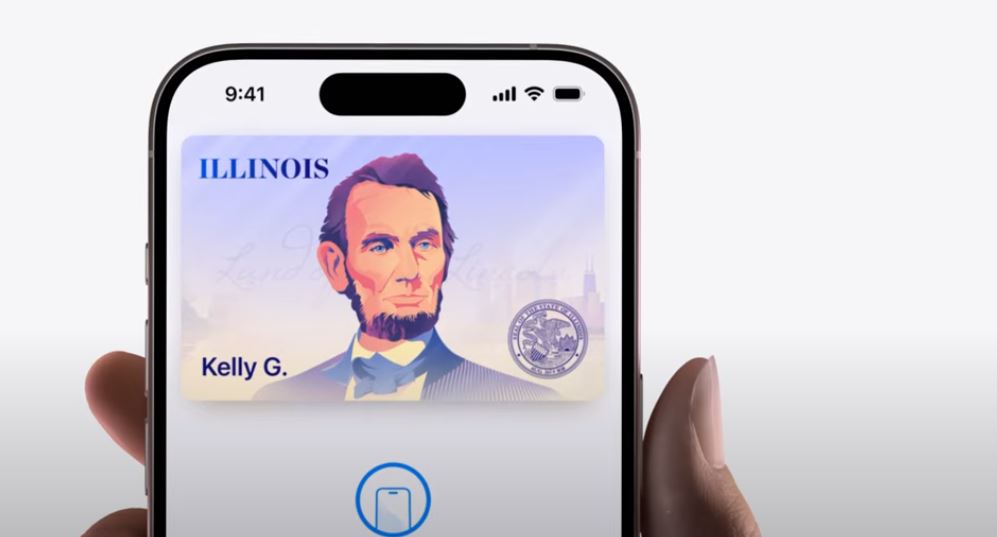
It feels remarkably futuristic yet surprisingly useful that Illinois residents can now carry their driver’s license on their iPhones. Digital IDs can be safely stored in Apple Wallet, enabling citizens to authenticate themselves without removing a physical card, according to confirmation from the Illinois Secretary of State’s office as of November 2025. It is “a game changer,” according to Secretary of State Alexi Giannoulias, who described it as an exceptionally successful method of combining technology, privacy, and convenience.

It’s as simple as sending a message. To verify their identity, residents launch the Wallet app, tap the plus sign, select “Driver’s License or State ID,” scan their card, and take a selfie. To verify authenticity, the technology then communicates with the Secretary of State’s system via encrypted communication and facial recognition. Your ID is digitally accessible in a matter of minutes, and you can use it at restaurants, bars, and airports that accept contactless ID verification.

CategoryDetails
Program LaunchNovember 2025
Led ByAlexi Giannoulias, Illinois Secretary of State
AvailabilityiPhone and Apple Watch (Android coming in 2026)
Usable LocationsTSA checkpoints, select restaurants, retail stores, and airports
Technology PartnerApple Inc.
VerificationFace ID, Touch ID, or passcode
Privacy ProtectionEncrypted local data; Apple cannot access or track ID use
Physical License RequirementStill mandatory for law enforcement and non-digital points of use
Official Websitewww.ilsos.gov/mobile

“This brings us one step closer to replacing the physical wallet,” said Jennifer Bailey, Apple’s Vice President of Apple Wallet and Pay. She emphasized that neither Apple nor the government can see when or where you use your ID in a tone of assurance and clarity. This type of privacy protection is especially helpful in a time when digital traces frequently become obsolete.

The Transportation Security Administration has already implemented scanners that work with Apple’s mobile ID at the O’Hare and Midway airports. Travelers can share the necessary information by simply holding their iPhone or Apple Watch close to the reader; they do not need to unlock or hand over the device. The process is highly efficient and notably improved compared to traditional ID checks, which often involve waiting, fumbling through wallets, or exchanging documents.

Still, the state reminds residents that digital IDs aren’t replacing physical cards just yet. During traffic stops or encounters with law enforcement, drivers are required to have their physical license on them. In his press conference, Giannoulias explained, “It’s a companion, not a substitute.” His message was very clear: while this is a step in the right direction, a fully digital identity system is still a ways off.

The introduction of the feature is seen by the majority of locals as a particularly creative step toward modernization. Additionally, Giannoulias’s team unveiled a companion app for businesses called a Mobile ID Verifier, which is intended to assist retailers in safely confirming age for sales of alcohol or cannabis. Similar to how Apple Pay safeguards financial information, this app, which will soon be available for free download from the App Store, uses contactless data exchange to verify authenticity without disclosing needless personal information.

There were initial growing pains, just like with any new digital rollout. Some users reported delays accessing the system due to heavy demand on launch day. Yet that frustration was short-lived and, in a way, encouraging — proof that Illinois residents were eager to embrace this technological leap. In an interview with NBC Chicago, Giannoulias chuckled and said, “When people are excited, it’s always busy.” “Having that problem is a good thing.”

The collaboration between Apple and Illinois is a component of a broader American movement to integrate digital identities. Illinois is notable for its legislative foresight, but the company has already started similar initiatives in states like Arizona and Maryland. The state’s law explicitly prohibits police officers from searching a person’s phone when viewing the mobile ID — a protection that privacy advocates called “exceptionally progressive.” Other states are probably going to adopt this model.

The ramifications for society are equally as significant as those for technology. The concept of displaying identification without taking out a card seems instinctive to younger Illinoisans. A small but significant cultural shift is represented by the ease with which you can tap your phone to confirm your identity at airport security or your age at a bar. The mobile ID is more than just a tool; it’s a representation of how society is evolving toward quicker, more intelligent, and safer communication.

The initiative’s inclusivity is what makes it so exciting. Google and Samsung Wallet support will launch in early 2026, so Android users won’t be left behind. By ensuring that residents across devices can access the same feature, Illinois is making digital identity accessible, not exclusive. It’s a forward-thinking approach that underscores a broader commitment to technological equality.

In addition to everyday convenience, the feature adds an impressive degree of security. Data shared through Apple Wallet is encrypted and locally stored. Transactions utilizing Face ID or Touch ID can only be authorized by the user. The risk of identity theft is greatly decreased by the selective disclosure of information shared during verification, such as age, photo, or license validity. “It’s not just a digital license; it’s a smarter version of you, safeguarded by design,” one tech expert wrote on WGN News.

The innovation was even hailed as “a breakthrough in touchless verification” by the Transportation Security Administration. TSA Illinois Director Jim Spriggs emphasized that mobile IDs streamline airport security while protecting passengers’ privacy. By doing away with the need to physically transfer identification, the procedure reduces contact and human error while protecting personal information, which is especially advantageous in busy airports like O’Hare.

Additionally, a larger trend in society toward digital trust is reflected in this rollout. As consumers grow accustomed to facial recognition and mobile banking, carrying an ID on a phone feels natural. Convenience combined with security is the same reasoning that led to the success of digital tickets and Apple Pay. For Illinois, this action shows faith in digital governance and the ability of public institutions to change to meet contemporary demands.

A bureaucratic change has already been transformed into a cultural statement by celebrities and influencers who have started to display their digital IDs on social media. The technology has been compared to innovations like the Apple Watch and digital car keys due to its smooth operation and elegant design. It’s about identity as a lifestyle accessory that is both functional and subtly aspirational, not just about efficiency.

Illinois’ digital ID might eventually become the norm in every state. The culture is catching up, and the infrastructure is prepared. As digital identity gains traction, the physical driver’s license may soon become a nostalgic artifact, much like the checkbook or paper boarding pass. But for now, Illinois stands as a pioneer, its residents at the forefront of a transformation that’s redefining what identification means in daily life.

Illinois has developed a framework for the future rather than merely a digital feature by fusing security, ease of use, and inclusivity. The Illinois Driver’s License in Apple Wallet is a clear reminder that progress doesn’t always arrive with fanfare; sometimes, it slips quietly into your pocket, waiting for the next time you unlock your phone.

Wawa CashStar Gift Card Settlement, From Data Breach Disaster to Digital Redemption

wawa cashstar gift card settlement

Skepticism was understandable when Wawa customers started getting unexpected eGift cards in their inboxes. An email offering free money seemed dubious after years of fraud and spam. However, the long-awaited resolution to a 2019 data breach that exposed millions of payment card details, the Wawa CashStar Gift Card Settlement, turned out to be completely legal. The emails, which were sent in November 2025, subtly hinted at a unique instance of corporate responsibility.

Malware infected Wawa’s payment processing system between March and December 2019, compromising card transaction data from all 850 stores and gas stations. Although the breaches at Target and Home Depot earlier in the decade were remarkably similar, Wawa’s reach felt more intimate. Daily routines like fuel stops, lunch breaks, and coffee runs had unintentionally become vulnerable points.

AspectDescription
Settlement NameWawa CashStar Gift Card Settlement
Total ValueUp to $9 million in cash and eGift Cards
Breach PeriodMarch 4 – December 12, 2019
Compensation Levels$5, $15, or $500 eGift Cards based on verified losses
Legal CaseIn re Wawa, Inc. Data Security Litigation (No. 19-cv-6019-GEKP)
AdministratorKCC Class Action Services LLC
Security Improvements$35 million invested in cybersecurity upgrades
Official Websitewww.wawaconsumerdatasettlement.com

Six years later, the $9 million settlement came in. eGift cards were available to customers who used their cards during that time: $5 for verified use, $15 for fraudulent charges that were reversed, and $500 for direct financial loss. Users were required to claim their reward through a secure link in each email, which was sent by Wawa’s official settlement administrator. This procedure was remarkably successful in giving many people a sense of closure.

Social media was initially ablaze with confusion. People were asking, “Is the Wawa email real?” in Reddit threads and Facebook groups. “I can’t wait to buy half a hoagie with my settlement,” jokingly said one user. “It’s real — I added mine to the app,” said another. Such organic verification became more convincing than any corporate press release in a skeptical digital age. A modest but significant degree of trust was restored by the genuineness of these minor triumphs, such as a complimentary breakfast sandwich or a $5 coffee.

The gradual development of the case also demonstrated the complexity of class-action justice. Although the settlement was approved by the Eastern District of Pennsylvania in 2022, payments were not made until 2025 due to legal appeals regarding attorney fees. A chapter that had taken longer than many anticipated came to an end when the Third Circuit Court of Appeals ultimately upheld the agreement that June. Customers began to view the settlement as a long-overdue resolution rather than a surprise when they finally saw it in their inboxes.

Since the hack, Wawa’s corporate response has significantly improved. In addition to monetary compensation, the company agreed to spend $35 million on data protection improvements, including third-party audits and encryption overhauls. These steps are very effective at stopping similar breaches and show how businesses are realizing, sometimes painfully, that trust can only be restored rather than purchased. Wawa’s quick digital transformation was similar to what other big companies, like Marriott and Equifax, did following their own cyberattacks.

It’s interesting to note that this settlement shows how consumers‘ perceptions of justice have changed culturally. Even though the payment might not seem like much, it is a sign of recognition. In a time when the majority of data breaches are forgotten within a few weeks, Wawa’s sustained action feels especially admirable. It emphasizes the rising demand that businesses not only repair what’s damaged but also show compassion in the process.

Anecdotes from daily life revealed the personal side of this settlement. Townsquare Media’s Matt Ryan explained how he was hesitant to click on the email link before realizing it was genuine—his iPhone wallet instantly loaded his $5 credit. He remarked, “It’s not much, but it’s something.” His response is similar to that of thousands of others who were reassured that accountability was still possible despite the delay.

Additionally, this result encourages more extensive consideration of digital behavior. Even sincere restitution is questioned in a time of phishing scams and phony refunds. There is a paradox in contemporary communication: people become less trusting of what they receive in their inboxes as cybersecurity increases. In this way, the Wawa settlement turned into a social test of online legitimacy. Before redeeming, customers learned to verify sender addresses, cross-check URLs, and seek advice from reliable sources. Between relief and skepticism, there was a careful dance.

The story was given an exceptionally human touch by Reddit’s community discussions. Users joked about using their gift cards for holiday treats, exchanged screenshots, and even compared email addresses. They transformed misunderstanding into friendship through group verification, forming a tiny online community that supports one another in separating truth from fiction. Wawa’s public relations situation significantly improved as a result of this grassroots validation, demonstrating that customer voices could restore brand trust more quickly than ever before through official campaigns.

Legally speaking, Wawa’s case serves as a model for data security lawsuits. It adds to an expanding list of settlements in which businesses have been held liable for both breaches and delayed transparency. It demonstrates, in many respects, how consumers are growing more knowledgeable and assertive. Through social media, class-action awareness is growing, and people are discovering that data losses, which are often dismissed, can have real repercussions.

The Wawa settlement has social significance in addition to its legal and financial implications. It represents a time when consumer information has become valuable and privacy violations are the new environmental disasters that are expensive, preventable, and have a profoundly human impact. In addition to safeguarding its company, Wawa recognized the emotional exhaustion that comes with years of digital exposure by investing in cybersecurity. That silent but impactful admission is a watershed in the history of corporate empathy.

The majority of recipients had successfully used their eGift cards by the end of November 2025. For many, clicking “Claim” signified more than just receiving money; it was taking part in a group digital redemption. It served as a reminder that, when managed openly, even modest reparations can boost trust in both humanity and technology.

Even though the Wawa CashStar Gift Card Settlement did not create millionaires, it did something very beneficial: it demonstrated that accountability can still reach inboxes years after a mistake. That $5 digital token became more than just coffee money for a business founded on convenience and community trust; it became a subtly lasting assurance that sincerity, when expressed with sincerity, still counts.

When Algorithms Start Styling You, The Future of Fashion Is Watching and Learning Your Style

When Algorithms Start Styling You: The Future of Fashion Is Watching and Learning Your Style

It used to be science fiction to think that an invisible digital stylist might one day influence your wardrobe choices. It’s a more fashionable reality these days. Fashion, which is inquisitive and constantly changing, has looked to artificial intelligence for both inspiration and innovation. From your shopping cart habits to your Instagram saves, algorithms are subtly learning your preferences and building digital profiles that are detailed enough to determine when you’re ready to move from jeans to tailored pants.

Algorithms now examine fashion trends in the same way that meteorologists forecast weather patterns thanks to the use of enormous datasets. Heuritech, a Paris-based company that works with fashion behemoths like Prada and Skims, searches Pinterest pins, TikTok trends, and runway shows for early warning signs. Notably, their models foresaw the arrival of minimalist flat sandals, yellow hues, and dotted prints during fashion weeks. These are calculations, not random events.

FeatureDescription
Trend PredictionAI scans millions of images and signals to forecast fashion patterns
Personalized StylingApps recommend outfits based on your body, taste, and digital habits
Virtual Try-OnsSimulates real-life fit using your image, size, and motion data
Smart Inventory PlanningPrevents overproduction by accurately forecasting demand
Designer CollaborationUsed by brands like Prada and Hilfiger to co-create with AI systems
Sustainable SourcingTools analyze impact of raw materials before production begins
Micro-Trend DiscoveryDetects niche movements early, from TikTok virality to regional shifts
Sentiment AnalysisGauges fashion mood by decoding influencer and shopper content
Digital-Only CollectionsEntire lines are now launched in virtual fashion shows and avatars
Adaptive Fit TechnologyAI helps brands develop more inclusive, accurate sizing for real bodies

AI’s capacity for prediction has simplified processes and freed up Amy Sullivan’s creative energy at Stitch Fix. She pointed out that “we can visualize clothing on digital avatars within minutes, instead of waiting weeks for samples from overseas.” In response to a straightforward query, AI generated simulations that ultimately resulted in the production of blue stripes. This eliminated guesswork, time, and expense.

Companies like Tommy Hilfiger have significantly enhanced their design pipeline by forming strategic alliances with AI developers. AI finds what will appeal to customers by analyzing thousands of street style photos and past runway data. It enhances human creativity rather than replaces it. Whether an oversized blazer should be sequin-trimmed or made from recycled wool is still up to the designers.

Social media has greatly accelerated trend cycles over the last ten years. Because of TikTok trends that are boosted by algorithmic nudges, a dress that was spotted on Kylie Jenner today may sell out by tomorrow. Francesca Muston of WGSN stressed that AI assists brands in identifying which of these viral trends have the potential to be profitable. She clarified that “commerciality and entertainment are two different things.”

AI steers clear of the pitfalls of creating unpopular products by identifying which trends are attracting attention and which actually lead to sales. As a result, the rate of deadstock inventory is greatly decreased, increasing fashion’s efficiency and ability to meet demand.

The sustainability potential of this change is what makes it so novel. Deciphering which raw materials have the highest environmental cost was the goal of Stella McCartney’s partnership with Google’s AI team. Before a single stitch is made, designers can make morally sound choices by combining this data. Fashion is becoming cleaner as well as smarter thanks to this data-first mentality.

More and more fashion brands that only sell online have surfaced in recent years, with collections that never come into contact with fabric. For instance, The Fabricant sold a virtual dress—an ensemble seen only in digital photographs—for almost $10,000. These patterns demonstrate how fashion has changed from being a product to an experience. In addition to creating the design, AI makes sure it complements the user’s digital identity.

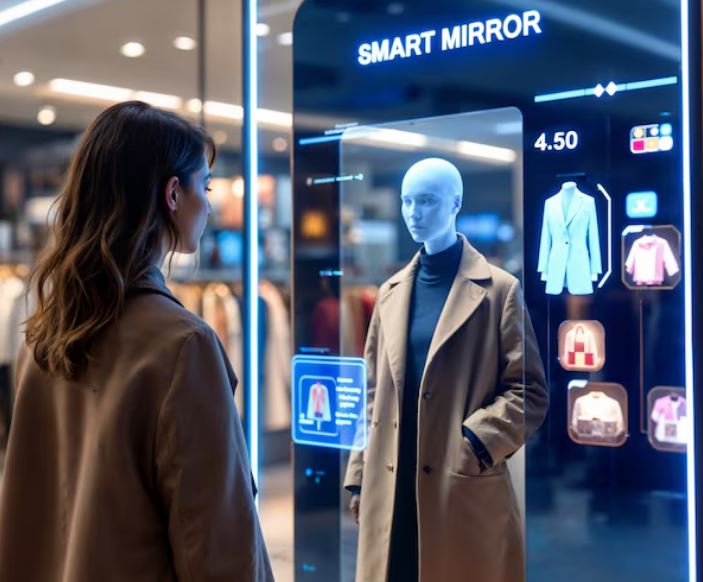
Customers now enjoy a remarkably similar benefit that was previously reserved for celebrities: custom styling, as personal style becomes increasingly algorithm-guided. Virtual assistants such as Style DNA and Smart Mirrors are incredibly effective and reasonably priced. They look through your existing wardrobe, suggest outfits, and even recommend new pieces based on your preferences and schedule. Your AI stylist is always available, whether it’s for a Zoom meeting or a date night.

There are wider cultural ramifications to this change. Editors, purchasers, and luxury houses were the main sources of fashion taste for many generations. These days, the crowd is decentralized and digital. Style authority has become more diverse and fragmented as AI amplifies microtrends. In less than a day, a trend that originates in Seoul and spreads to Stockholm due to popular preference rather than an elite decree. Despite being data-driven, fashion has become more democratic.

Meanwhile, it’s rumored that celebrities like Zendaya, who is renowned for her daring fashion choices, use AI tools to pre-visualize their red carpet options. Although stylists maintain control, they are assisted by platforms that can replicate looks in different lighting conditions and body positions—tools that significantly increase the accuracy of planning for appearances under pressure.

Naturally, concerns about identity, taste, and agency surface in the context of this technological revolution. Are we being picked for what we wear, or are we picking what we wear? How we interact will determine the solution. AI can help you, not guide you, if it recognizes your preference for neutrals or your love of layered textures. It’s important to strike a delicate balance between influence and inspiration.

At the core of it all, however, is human intuition. AI is capable of tracking color schemes and silhouettes, but it is unable to simulate the sensation of putting on an article of clothing that fully captures your individuality. That is still human territory. That intuitive spark is not lost, but rather is enlightened as fashion increasingly works with machines.

logo My Dressoir kledingverhuur designer jurkenverhuur outfit huren galajurken bruiloft feest

My Dressoir geeft jou toegang tot de mooiste designer items voor elke gelegenheid voor een fractie van de prijs en zonder iets te kopen. Dat is goed voor je portemonnee en het milieu!

Contact

De snelste manier op met ons in contact te komen is via onze chatbox.

Wil je een item passen? Dat kan, klik hier.

Of bekijk onze contact pagina.

You don't have permission to register

Spread the love & rent for free

X

Ontvang 10€ huurtegoed elke keer als je vriendinnen My Dressoir gebruiken (zij ontvangen ook 10% korting). Vertel ze gewoon dat ze jouw link kunnen gebruiken!

Log in om jouw persoonlijke link te creëren en te delen
Start met delen