
Ontvang 10€ Korting
GROOTSTE DESIGNER SALE EVER! | Koop tot dinsdag met +25% EXTRA korting designs in de uitverkoop (code: KOOPPRELOVED25)
Inclusief verzend & stomerij kosten (t.w.v €24,-)
Één outfit per reservering inwisselen voor andere outfit of tegoed*
Inclusief verzend & stomerij kosten (t.w.v €24,-)
Één outfit per reservering inwisselen voor andere outfit of tegoed*

FTC Prime Subscription Settlement Fund Venmo: Inside the $1.5 Billion Refund Changing Consumer Accountability

Ftc Prime Subscription Settlement Fund Venmo

Around the middle of November, the emails began to arrive; they were brief, straightforward, and strangely fulfilling. “The FTC Prime Subscription Settlement Fund has paid you.” The message seemed almost unreal to millions of Amazon Prime members. Refunds were discreetly appearing in PayPal and Venmo accounts, signaling the start of one of the biggest consumer settlements in recent memory: a $2.5 billion deal between Amazon and the FTC.

Users nationwide were sharing screenshots of their unexpected deposits by December. Some got $5, while others got $51. Overnight, a Reddit thread about the “FTC Prime Fund” went viral, evoking a mixture of shock, laughter, and incredulity. “I thought it was a scam until I realized it was Amazon paying me back,” one user commented. The essence of this story was encapsulated in that unexpected moment of surprise: accountability arrived in digital form sooner than anyone had anticipated.

CategoryInformation
CaseFederal Trade Commission (FTC) vs. Amazon – Prime Subscription Deceptive Enrollment
Total Settlement$2.5 Billion (including $1.5 Billion in refunds to consumers)
Refund AmountUp to $51 per eligible Prime customer
Payment MethodsVenmo, PayPal, or mailed check
Refund PeriodNovember 12 to December 24, 2025
EligibilityCustomers who enrolled between June 23, 2019 – June 23, 2025
OversightFederal Trade Commission (FTC)
Official Sourcewww.ftc.gov/enforcement/amazon-refunds

The FTC, under the leadership of Chairman Andrew N. Ferguson, is at the center of it all. Ferguson described the case as “a turning point for consumer protection in digital commerce.” He didn’t say empty words. Amazon was accused by the Commission of employing deceptive methods to sign millions of people up for Prime memberships without their express consent and, worse, of purposefully creating confusing cancellation procedures that annoyed consumers. Internal Amazon memos that described their system as “purposefully difficult” were uncovered by the FTC during its investigation. This term now seems remarkably representative of Big Tech’s larger stance on consumer control.

Naturally, Amazon denied any wrongdoing. The business said it has “always complied with the law” and is “committed to improving user transparency” in a carefully crafted statement. However, in order to settle the case, the company agreed to pay an astounding $2.5 billion, which included $1.5 billion in customer refunds. It’s a figure that conveys a lot of information about both strategic damage control and corporate responsibility.

The payout procedure was carried out in a very efficient manner. Emails inviting eligible users to use PayPal or Venmo to claim refunds were sent to them; they had 15 days to accept the invitation. Paper checks were mailed to the Amazon shipping address of those who did not reply. This two-phase system, which was particularly effective and contemporary, demonstrated how government reparations could at last function at digital speed.

The Venmo refunds felt very personal to a lot of people. It was more than just money; it was a tacit acceptance of the restoration of justice. Online commenter MahoganyQueen73 stated, “It’s real.” Justice hit my Venmo for the first time when my boyfriend received $50. Her remarks, which were informal but impactful, encapsulated how technology is changing how we view corporate responsibility. Justice now vibrates in your pocket as a notification rather than arriving in the mail.

The settlement is enormous in size. Amazon allegedly used what investigators dubbed “dark patterns”—deceptive user interface designs that steer customers toward undesirable outcomes—to purposefully make it “exceedingly difficult” to cancel Prime, according to the FTC’s lawsuit. Amazon was compelled by the court decision to redesign its Prime enrollment and cancellation pages in addition to issuing refunds. The business must now clearly display a “Decline Prime” button and provide a straightforward explanation of renewal fees. In an industry that has historically been characterized by fine print, this is a minor but noticeably better step toward transparency.

The distribution of refunds is the most notable aspect of this case. The FTC successfully combined consumer protection with contemporary financial technology by utilizing digital payment platforms. It’s a particularly creative move that guarantees payments are made to customers securely and promptly. Additionally, this approach establishes a standard for future settlements, serving as a guide for the real-time operation of digital justice.

PayPal and Venmo, which are frequently linked to peer-to-peer convenience, abruptly turned into instruments of reparation. The public was aware of the irony. Posts like “Got $7 from Amazon” were all over social media. I suppose capitalism was the first to blink. It’s a reminder that the same systems that were once accused of taking advantage of customers can, when pressured, turn into tools of justice. It’s humor with substance.

Big Tech’s speed has long been too fast for regulators to keep up with. However, this settlement seems to mark the start of a more harmonious era. The FTC’s use of Venmo payments is symbolic as well as procedural. It shows how a government organization is learning to meet people where they are—online, on the go, and connected. The approach is very effective and significantly forward-thinking, supporting the notion that consumer protection can advance with technology.

The story gained cultural relevance as it was amplified by celebrities and online commentators. Marques Brownlee, a tech influencer, described the case as “a masterclass in modern accountability.” It was presented as a “milestone for transparency in digital commerce” by CBS and NBC news anchors. Pop culture also got involved, with late-night hosts making jokes about how “Amazon’s refund button finally works.” A shared understanding that this wasn’t just about money was highlighted by the humor. It was about design, power, and rebuilding trust, one notification at a time.

There is a compelling human story hidden behind the legalese and the statistics. Millions of users were used to feeling helpless in the face of corporate algorithms that determined their options. Even though this refund is small, it marks a change and a unique instance where customers’ collective annoyance led to real outcomes. Fintech precision was used to deliver a cultural correction.

The FTC’s strategy might encourage comparable measures in other sectors. Software, streaming, and fitness services are dominated by subscription models, which are frequently concealed by layers of complexity. Regulators are sending a message that digital ethics are mandatory and not optional by enforcing design transparency. There may be a significant knock-on effect, forcing businesses like Netflix, Adobe, and Spotify to reconsider how they interact with their clientele.

It is anticipated that all qualified consumers will receive their refunds by December 2025, either electronically or by check. Every payment, whether it is $5 or $51, conveys the same message: innovation and fairness can coexist. It’s a unique point where public opinion, technology, and policy all work together harmoniously.

Customers perceive the settlement as recognition rather than just compensation. “You were heard,” it says. It demonstrates that when authorities take decisive action and the public is kept informed, even the biggest companies can be held responsible. The FTC Prime Subscription Settlement Fund Venmo is evidence that the systems we create are capable of self-repair under the right guidance.

Drama in the courtroom is not always a sign of justice. Sometimes it manifests subtly, as a slight vibration, a digital deposit, or the feeling that something has been corrected, even if only momentarily.
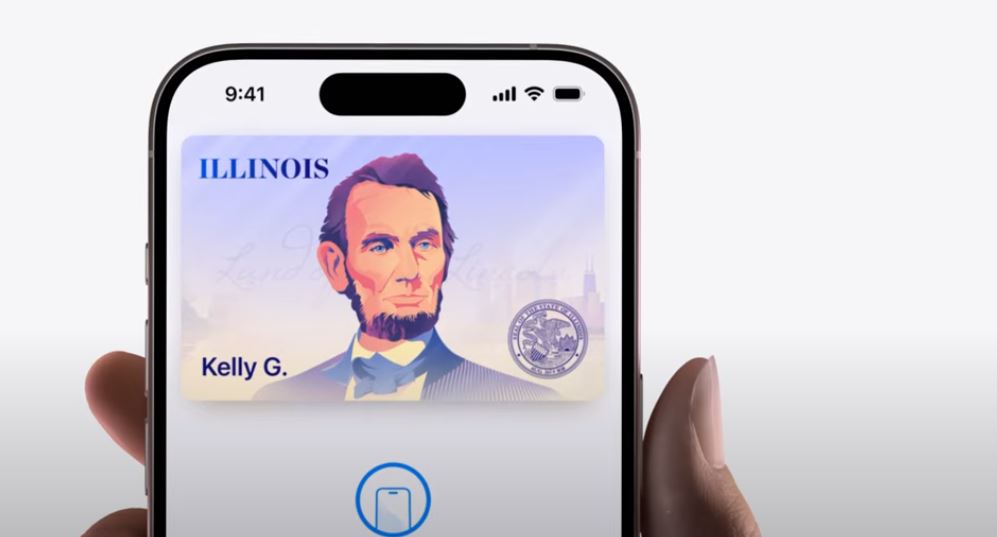
Illinois Driver’s License Apple Wallet, Why Millions Are Adding Their ID to Their iPhone

illinois drivers license apple wallet

It feels remarkably futuristic yet surprisingly useful that Illinois residents can now carry their driver’s license on their iPhones. Digital IDs can be safely stored in Apple Wallet, enabling citizens to authenticate themselves without removing a physical card, according to confirmation from the Illinois Secretary of State’s office as of November 2025. It is “a game changer,” according to Secretary of State Alexi Giannoulias, who described it as an exceptionally successful method of combining technology, privacy, and convenience.

It’s as simple as sending a message. To verify their identity, residents launch the Wallet app, tap the plus sign, select “Driver’s License or State ID,” scan their card, and take a selfie. To verify authenticity, the technology then communicates with the Secretary of State’s system via encrypted communication and facial recognition. Your ID is digitally accessible in a matter of minutes, and you can use it at restaurants, bars, and airports that accept contactless ID verification.

CategoryDetails
Program LaunchNovember 2025
Led ByAlexi Giannoulias, Illinois Secretary of State
AvailabilityiPhone and Apple Watch (Android coming in 2026)
Usable LocationsTSA checkpoints, select restaurants, retail stores, and airports
Technology PartnerApple Inc.
VerificationFace ID, Touch ID, or passcode
Privacy ProtectionEncrypted local data; Apple cannot access or track ID use
Physical License RequirementStill mandatory for law enforcement and non-digital points of use
Official Websitewww.ilsos.gov/mobile

“This brings us one step closer to replacing the physical wallet,” said Jennifer Bailey, Apple’s Vice President of Apple Wallet and Pay. She emphasized that neither Apple nor the government can see when or where you use your ID in a tone of assurance and clarity. This type of privacy protection is especially helpful in a time when digital traces frequently become obsolete.

The Transportation Security Administration has already implemented scanners that work with Apple’s mobile ID at the O’Hare and Midway airports. Travelers can share the necessary information by simply holding their iPhone or Apple Watch close to the reader; they do not need to unlock or hand over the device. The process is highly efficient and notably improved compared to traditional ID checks, which often involve waiting, fumbling through wallets, or exchanging documents.

Still, the state reminds residents that digital IDs aren’t replacing physical cards just yet. During traffic stops or encounters with law enforcement, drivers are required to have their physical license on them. In his press conference, Giannoulias explained, “It’s a companion, not a substitute.” His message was very clear: while this is a step in the right direction, a fully digital identity system is still a ways off.

The introduction of the feature is seen by the majority of locals as a particularly creative step toward modernization. Additionally, Giannoulias’s team unveiled a companion app for businesses called a Mobile ID Verifier, which is intended to assist retailers in safely confirming age for sales of alcohol or cannabis. Similar to how Apple Pay safeguards financial information, this app, which will soon be available for free download from the App Store, uses contactless data exchange to verify authenticity without disclosing needless personal information.

There were initial growing pains, just like with any new digital rollout. Some users reported delays accessing the system due to heavy demand on launch day. Yet that frustration was short-lived and, in a way, encouraging — proof that Illinois residents were eager to embrace this technological leap. In an interview with NBC Chicago, Giannoulias chuckled and said, “When people are excited, it’s always busy.” “Having that problem is a good thing.”

The collaboration between Apple and Illinois is a component of a broader American movement to integrate digital identities. Illinois is notable for its legislative foresight, but the company has already started similar initiatives in states like Arizona and Maryland. The state’s law explicitly prohibits police officers from searching a person’s phone when viewing the mobile ID — a protection that privacy advocates called “exceptionally progressive.” Other states are probably going to adopt this model.

The ramifications for society are equally as significant as those for technology. The concept of displaying identification without taking out a card seems instinctive to younger Illinoisans. A small but significant cultural shift is represented by the ease with which you can tap your phone to confirm your identity at airport security or your age at a bar. The mobile ID is more than just a tool; it’s a representation of how society is evolving toward quicker, more intelligent, and safer communication.

The initiative’s inclusivity is what makes it so exciting. Google and Samsung Wallet support will launch in early 2026, so Android users won’t be left behind. By ensuring that residents across devices can access the same feature, Illinois is making digital identity accessible, not exclusive. It’s a forward-thinking approach that underscores a broader commitment to technological equality.

In addition to everyday convenience, the feature adds an impressive degree of security. Data shared through Apple Wallet is encrypted and locally stored. Transactions utilizing Face ID or Touch ID can only be authorized by the user. The risk of identity theft is greatly decreased by the selective disclosure of information shared during verification, such as age, photo, or license validity. “It’s not just a digital license; it’s a smarter version of you, safeguarded by design,” one tech expert wrote on WGN News.

The innovation was even hailed as “a breakthrough in touchless verification” by the Transportation Security Administration. TSA Illinois Director Jim Spriggs emphasized that mobile IDs streamline airport security while protecting passengers’ privacy. By doing away with the need to physically transfer identification, the procedure reduces contact and human error while protecting personal information, which is especially advantageous in busy airports like O’Hare.

Additionally, a larger trend in society toward digital trust is reflected in this rollout. As consumers grow accustomed to facial recognition and mobile banking, carrying an ID on a phone feels natural. Convenience combined with security is the same reasoning that led to the success of digital tickets and Apple Pay. For Illinois, this action shows faith in digital governance and the ability of public institutions to change to meet contemporary demands.

A bureaucratic change has already been transformed into a cultural statement by celebrities and influencers who have started to display their digital IDs on social media. The technology has been compared to innovations like the Apple Watch and digital car keys due to its smooth operation and elegant design. It’s about identity as a lifestyle accessory that is both functional and subtly aspirational, not just about efficiency.

Illinois’ digital ID might eventually become the norm in every state. The culture is catching up, and the infrastructure is prepared. As digital identity gains traction, the physical driver’s license may soon become a nostalgic artifact, much like the checkbook or paper boarding pass. But for now, Illinois stands as a pioneer, its residents at the forefront of a transformation that’s redefining what identification means in daily life.

Illinois has developed a framework for the future rather than merely a digital feature by fusing security, ease of use, and inclusivity. The Illinois Driver’s License in Apple Wallet is a clear reminder that progress doesn’t always arrive with fanfare; sometimes, it slips quietly into your pocket, waiting for the next time you unlock your phone.

Wawa CashStar Gift Card Settlement, From Data Breach Disaster to Digital Redemption

wawa cashstar gift card settlement

Skepticism was understandable when Wawa customers started getting unexpected eGift cards in their inboxes. An email offering free money seemed dubious after years of fraud and spam. However, the long-awaited resolution to a 2019 data breach that exposed millions of payment card details, the Wawa CashStar Gift Card Settlement, turned out to be completely legal. The emails, which were sent in November 2025, subtly hinted at a unique instance of corporate responsibility.

Malware infected Wawa’s payment processing system between March and December 2019, compromising card transaction data from all 850 stores and gas stations. Although the breaches at Target and Home Depot earlier in the decade were remarkably similar, Wawa’s reach felt more intimate. Daily routines like fuel stops, lunch breaks, and coffee runs had unintentionally become vulnerable points.

AspectDescription
Settlement NameWawa CashStar Gift Card Settlement
Total ValueUp to $9 million in cash and eGift Cards
Breach PeriodMarch 4 – December 12, 2019
Compensation Levels$5, $15, or $500 eGift Cards based on verified losses
Legal CaseIn re Wawa, Inc. Data Security Litigation (No. 19-cv-6019-GEKP)
AdministratorKCC Class Action Services LLC
Security Improvements$35 million invested in cybersecurity upgrades
Official Websitewww.wawaconsumerdatasettlement.com

Six years later, the $9 million settlement came in. eGift cards were available to customers who used their cards during that time: $5 for verified use, $15 for fraudulent charges that were reversed, and $500 for direct financial loss. Users were required to claim their reward through a secure link in each email, which was sent by Wawa’s official settlement administrator. This procedure was remarkably successful in giving many people a sense of closure.

Social media was initially ablaze with confusion. People were asking, “Is the Wawa email real?” in Reddit threads and Facebook groups. “I can’t wait to buy half a hoagie with my settlement,” jokingly said one user. “It’s real — I added mine to the app,” said another. Such organic verification became more convincing than any corporate press release in a skeptical digital age. A modest but significant degree of trust was restored by the genuineness of these minor triumphs, such as a complimentary breakfast sandwich or a $5 coffee.

The gradual development of the case also demonstrated the complexity of class-action justice. Although the settlement was approved by the Eastern District of Pennsylvania in 2022, payments were not made until 2025 due to legal appeals regarding attorney fees. A chapter that had taken longer than many anticipated came to an end when the Third Circuit Court of Appeals ultimately upheld the agreement that June. Customers began to view the settlement as a long-overdue resolution rather than a surprise when they finally saw it in their inboxes.

Since the hack, Wawa’s corporate response has significantly improved. In addition to monetary compensation, the company agreed to spend $35 million on data protection improvements, including third-party audits and encryption overhauls. These steps are very effective at stopping similar breaches and show how businesses are realizing, sometimes painfully, that trust can only be restored rather than purchased. Wawa’s quick digital transformation was similar to what other big companies, like Marriott and Equifax, did following their own cyberattacks.

It’s interesting to note that this settlement shows how consumers‘ perceptions of justice have changed culturally. Even though the payment might not seem like much, it is a sign of recognition. In a time when the majority of data breaches are forgotten within a few weeks, Wawa’s sustained action feels especially admirable. It emphasizes the rising demand that businesses not only repair what’s damaged but also show compassion in the process.

Anecdotes from daily life revealed the personal side of this settlement. Townsquare Media’s Matt Ryan explained how he was hesitant to click on the email link before realizing it was genuine—his iPhone wallet instantly loaded his $5 credit. He remarked, “It’s not much, but it’s something.” His response is similar to that of thousands of others who were reassured that accountability was still possible despite the delay.

Additionally, this result encourages more extensive consideration of digital behavior. Even sincere restitution is questioned in a time of phishing scams and phony refunds. There is a paradox in contemporary communication: people become less trusting of what they receive in their inboxes as cybersecurity increases. In this way, the Wawa settlement turned into a social test of online legitimacy. Before redeeming, customers learned to verify sender addresses, cross-check URLs, and seek advice from reliable sources. Between relief and skepticism, there was a careful dance.

The story was given an exceptionally human touch by Reddit’s community discussions. Users joked about using their gift cards for holiday treats, exchanged screenshots, and even compared email addresses. They transformed misunderstanding into friendship through group verification, forming a tiny online community that supports one another in separating truth from fiction. Wawa’s public relations situation significantly improved as a result of this grassroots validation, demonstrating that customer voices could restore brand trust more quickly than ever before through official campaigns.

Legally speaking, Wawa’s case serves as a model for data security lawsuits. It adds to an expanding list of settlements in which businesses have been held liable for both breaches and delayed transparency. It demonstrates, in many respects, how consumers are growing more knowledgeable and assertive. Through social media, class-action awareness is growing, and people are discovering that data losses, which are often dismissed, can have real repercussions.

The Wawa settlement has social significance in addition to its legal and financial implications. It represents a time when consumer information has become valuable and privacy violations are the new environmental disasters that are expensive, preventable, and have a profoundly human impact. In addition to safeguarding its company, Wawa recognized the emotional exhaustion that comes with years of digital exposure by investing in cybersecurity. That silent but impactful admission is a watershed in the history of corporate empathy.

The majority of recipients had successfully used their eGift cards by the end of November 2025. For many, clicking “Claim” signified more than just receiving money; it was taking part in a group digital redemption. It served as a reminder that, when managed openly, even modest reparations can boost trust in both humanity and technology.

Even though the Wawa CashStar Gift Card Settlement did not create millionaires, it did something very beneficial: it demonstrated that accountability can still reach inboxes years after a mistake. That $5 digital token became more than just coffee money for a business founded on convenience and community trust; it became a subtly lasting assurance that sincerity, when expressed with sincerity, still counts.

Is ‘Quiet Luxury’ Still Quiet When Everyone’s Talking About It?

Why “Quiet Luxury” Won’t Stay Quiet for Long

Quiet luxury started out as a whisper and spread subtly through social media and runways thanks to subdued color schemes and delicately structured silhouettes that were remarkably successful at expressing confidence without resorting to showmanship. The aesthetic exploded in recent months with a force that felt remarkably similar to the rise of normcore in the previous ten years, but it came with deeper emotional undertones influenced by sustainability concerns, economic strain, and a growing disenchantment with noise-driven rather than purpose-driven trends. I became aware of how subtly this movement had ingrained itself into society as I watched TikTok creators dissect Shiv Roy’s knitwear with forensic precision, changing how people discuss privilege, taste, and covert displays of success.

Many consumers discovered something especially helpful in this aesthetic—an escape from the exaggerated cycles of hype that had dominated fashion for years—by observing how subtly affluent circles communicate through modest clothing. An ethos characterized by flawlessly tailored coats, precisely weighted rugby shirts, and tailoring that felt purposefully effortless rather than shouty symbols was instilled in audiences through regular exposure to shows like Succession. This change was a sign of a larger cultural movement that had been simmering for years: a desire to reject the frantic clutter that had characterized previous fashion eras and invest in fewer, better things.

FieldDetails
TopicQuiet Luxury
Core AngleWhy It Won’t Stay Quiet for Long
Table TypeFashion Trend Analysis
Cultural TouchpointsSuccession, Gwyneth Paltrow, The Row, TikTok Trends
Industry ImpactRetail, Luxury E-commerce, Sustainability, Consumer Psychology
Main Forces Behind ShiftPersonalization, Scarcity, Experience-Driven Luxury

Priorities drastically changed during the pandemic, forcing many people to reevaluate their home furnishings, clothing choices, and public personas. Slower consumption was welcomed because it felt so obvious—life had significantly improved when excess was eliminated. That sentiment was supported by the understated luxury aesthetic, which served as a reminder to customers that serenity can be advantageous, particularly in an era where everything seems overstimulated. It was no accident that companies like The Row, Toteme, and Celine came to represent emotional sophistication and maturity, their craftsman-like style becoming highly adaptable in a variety of settings.

This change was very effective in changing how retailers approached personalization. By simplifying operations and enabling brands to create curated experiences that felt remarkably personal, quiet luxury bolstered the argument for data-driven shopping experiences. Luxury e-commerce was able to predict what a particular consumer might want much more quickly by utilizing advanced analytics, providing personalized product recommendations that were purposefully subtle but unquestionably compelling. This sentiment was emphasized by Saks’ research, which found that 70% of luxury buyers valued personalization. Relevance was what they sought, not noise.

The rise of quiet luxury in the context of sustainability is indicative of a growing demand for thoughtful purchasing. Younger consumers in particular are drawn to products that feel incredibly sturdy and are meticulously made that are just not possible to mass-produce. Awareness of the environmental costs of fast fashion has increased dramatically over the last ten years, leading consumers to make decisions that are emotionally consistent with their long-term well-being. With classic lines, vintage textiles, and understated silhouettes that hold up over time, quiet luxury provided that.

However, as any experienced fashion observer is aware, subtlety is never permanent. As soon as TikTok adopted the “old money aesthetic,” the trend spread, becoming an aspirational visual language even for those on a tight budget. With the rapid arrival of dupe culture, the exclusivity that initially made quiet luxury powerful was greatly diminished. The principle that defines luxury, the rarity of the aesthetic, started to blur when anyone could imitate stealth wealth with a soft-beige knit and a repurposed blazer.

When The Row hosted a viral sample sale and there were endless lines online, I was most aware of this change. Quiet luxury was now a performance rather than a private thing. Influencers devotedly documented their calm beige ensembles, with each post expressing taste while demanding approval. Even mass brands like Zara and Mango started creating their own versions of this style through strategic engagement, speeding up the cycle until the once-quiet movement reached an unquestionable volume.

Both consumers and early-stage creators found a sense of calm authority in this aesthetic. However, the cyclical nature of fashion means that even the most subdued trend cannot keep up. Numerous Reddit fashion communities have already forecast a return to maximalism, claiming that the prevalence of quiet luxury makes them yearn for spontaneity once more. That prediction seems surprisingly accurate to me. Fashion responds as fast as a swarm of bees changing course; when the surroundings change, so does the collective instinct. In a year, the structured knits and subdued colors that seem elegant today might seem boring.

But the trend’s emotional effects will probably last. Customers were taught to value fine craftsmanship, make deliberate decisions, and pursue timeless design over spectacle by quiet luxury. A generation learning to deal with economic anxiety and changing social norms found resonance in its emphasis on individual confidence rather than public approval. In times of instability, many customers characterized the aesthetic as profoundly reassuring—an echo of stability.

The pendulum may swing once more as luxury brands reevaluate their methods of expressing exclusivity, but the cultural legacy of understated luxury will endure. It effectively changed the discourse on taste and value by reminding us that true luxury is about feeling good about what you wear rather than being noticed. Additionally, the mindset it introduced—a dedication to meaningful design and intentional living—will endure even though the aesthetic may soon crescendo into something louder or more experimental.

Although quiet luxury may not remain silent, its impact will continue to shape fashion in the future by directing buyers toward items that feel more like enduring companions than transient thrills. And perhaps its greatest lasting success is that small change that is quietly taking place across screens and closets.

How Streetwear Stormed the Runway and Redefined Haute Fashion

When Streetwear Went Couture — and Never Came Back

The fashion establishment did more than simply shift when Virgil Abloh entered Louis Vuitton’s menswear studio; it exhaled. It was more than just a historic moment in 2018. For a whole generation that grew up wearing Air Force 1s and hoodies, it was incredibly affirming.

Streetwear has made a remarkable transition over the last ten years, moving from underground skate shops to the front row of Paris Fashion Week. This was no accident. It was purposefully led by a group of visionaries who viewed fashion as a cultural code that was incorporated into mixtapes, Instagram drops, and graphic tees rather than as elitist couture.

ElementDetail
TopicEvolution of streetwear into couture fashion
Key DriversHip-hop influence, social media virality, luxury collaborations
Influential BrandsOff-White, Supreme, Balenciaga, Louis Vuitton, Yeezy
Cultural ImpactRedefined masculinity, expanded luxury access, reshaped fashion weeks
Notable FiguresVirgil Abloh, Kanye West, Rihanna, Demna Gvasalia
Turning PointLouis Vuitton x Supreme (2017)
Core MessageStreetwear is no longer just youth rebellion—it is high fashion

Brands like Supreme and Off-White created emotional connections with customers by utilizing storytelling, scarcity, and hype. Notably, they disrupted conventional business models by substituting weekly drops for runway cycles and community-based exclusivity over price tags. In terms of revenue and resonance, these strategies were incredibly successful.

Relevance doesn’t always wear a tuxedo, as Demna Gvasalia’s oversized silhouettes at Balenciaga, which were heavily influenced by post-Soviet street aesthetics, made clear. Under his direction, Balenciaga evolved into a platform for sarcasm, disrespect, and cultural criticism without ever sacrificing its sense of style.

Collaborations between high-end retailers and streetwear brands have grown more frequent—even expected—in recent years. The highly successful 2017 collaboration between Louis Vuitton and Supreme wasn’t merely a marketing gimmick. Heritage and hype met in a decisive way, and both came out stronger.

Something similar was hinted at by Rihanna’s Fenty lines with Puma and then LVMH. Her participation in the luxury discourse was not only novel, but also refreshing, especially for a sector that is frequently criticized for being outdated. Her strategy combined the wearable with the aspirational, striking a balance between street-ready silhouettes and refined sensibility.

This cultural thaw has been especially helpful for up-and-coming designers. New voices are at last being heard through the incorporation of streetwear’s DNA into the craftsmanship of couture. Their success stories are changing industry norms, and many of them hail from groups that were previously shut out of fashion’s exclusive spaces.

The comfort-first philosophy of streetwear gained more popularity during the pandemic. Sweatpants became status symbols as office dress codes relaxed and online self-expression grew, while sneakers replaced brogues. Younger and more tech-savvy luxury consumers selected brands that resonated with them on an emotional level rather than those that were considered prestigious.

Instead of opposing this change, fashion conglomerates like Kering and LVMH have welcomed it through strategic alliances. In addition to market adaptation, their investment in streetwear-inspired lines reflects a broader ideological shift toward inclusivity and cultural immediacy.

Streetwear’s dominance feels more like a democratic correction than a fad in light of changing generational values. This is fashion that is about, by, and for the people. The divide between the runway and the audience, as well as between the designer and the customer, has been greatly diminished by this democratization.

Not every response has been joyous. The rise of streetwear, according to critics, dilutes craftsmanship, prioritizes hype over substance, and runs the risk of becoming oversaturated. Although legitimate, these worries frequently ignore the ways in which streetwear has rekindled creativity in a variety of fields. It can easily blend in with luxury minimalism, vintage nostalgia, or techwear due to its extreme versatility.

The way that fashion is consumed has changed as a result of streetwear’s adoption of digital platforms, which has happened much more quickly than traditional channels. Direct-to-fan storytelling is now the ecosystem’s main driver, from Instagram Lives to TikTok styling reels. Gatekeepers are no longer important; community and speed are now.

The best streetwear designers of today tell stories about identity rather than just selling clothing by incorporating cultural authenticity into each drop. Stitched with purpose and molded by collective sentiment, these clothes serve as wearable manifestos.

The couture credentials of streetwear aren’t going away in the future. They are, if anything, growing. Expect streetwear’s tenets to continue influencing both process and product as AI-generated design tools become more prevalent and virtual fashion shows become more immersive.

The message is very clear for both legacy houses and up-and-coming creators: change or die. Additionally, evolution frequently sports a hoodie in this setting.

Can the Runway Survive Without Real Models? Designers Aren’t So Sure

Can the Runway Survive Without Real Models

The high cheekbones, the practiced gaze, the impossible fluid walk—strutting down the catwalk used to be a rite of passage for real models. However, the most important runways in fashion today are increasingly filled with designs that were never born, never sleep, and never age. The very framework of the fashion industry is being altered by these AI-generated avatars, and this change is not only significant but also remarkably successful.

Fashion weeks from Paris to Shanghai have changed their focus during the last five years. While some embraced full-on digital fantasy, others tended toward livestreams. This change was accelerated not only by the pandemic but also by the quick development of 3D rendering, machine learning, and synthetic storytelling. The models now realistically replicate physics, producing clothing in motion with astonishing accuracy, as noted by Anastasis Germanidis, CTO of Runway ML.

ElementDescription
TopicCan the Runway Survive Without Real Models?
FocusImpact of AI, digital models, and virtual fashion shows
IndustryFashion, Modeling, Technology
Key ExamplesBalenciaga, Ganni, Lil Miquela, Runway ML
Notable IndividualsRyan Chappell, Demna Gvasalia, Hailey Bieber
Industry TrendsHybrid fashion shows, AI-powered avatars, immersive digital presentations
Societal ImpactBroader access, sustainability, transformation of creative labor
Source Reference (non-link)Fashion Week NY 2025, Fashinnovation, Medium, The Conversation, Semafor

Once social media sensations, virtual fashion muses like Lil Miquela and Noonoouri are now mainstays of advertising campaigns. They are sometimes more adored than their human counterparts and are signed and styled. Even though their fan base is artificially inflated, their impact is remarkably genuine. Even though they don’t have hearts, their carefully chosen aesthetics convey emotion, albeit a fake one.

Brands have significantly increased their reach and consistency by incorporating these AI-powered characters. Real models don’t cancel. Actual lighting is ineffective. However, virtual avatars are always pixel-perfect, never complain, and never get tired. This control is not only practical but especially advantageous for companies that thrive on theatricality, like Balenciaga. Stomping AI entities at their S/S 25 show evoked rebellion with a dramatic flair that rivaled Shalom Harlow’s peak in the 1990s.

Giorgio Armani took the lead during the pandemic with a livestreamed collection, which at the time seemed avant-garde but now seems prescient. Designers like Damara Inglês and Patrick McDowell went one step further with their immersive installations, engrossing spectators in intricate virtual playgrounds. These were sensory simulations rather than merely fashion shows, enabling virtual avatars to model materials that might never have existed in real life.

Brands learned through strategic experimentation that virtual shows are much more than just tricks. They can be produced much more quickly, are surprisingly cheap when produced in large quantities, and are very effective at handling international logistics. Ryan Chappell, the movement director, did more than simply coach models when Ganni needed to invoke contemporary witchcraft on the runway; he gave them a sense of purpose. Avatars are increasingly being given the same nuanced treatment in that narrative.

AI has emerged as a creative collaborator for up-and-coming designers and smaller fashion labels. Before a single swatch is cut, they can test draping, materials, and silhouettes by utilizing generative tools. It is a pre-visualization revolution that enables brands to generate ideas at a speed that was previously unachievable. This democratizes access to design, but it also calls into question authenticity.

Critics contend that something essential is being lost in the context of fashion’s emotional impact. There is nothing that can replace the visceral experience of watching Naomi Campbell walk the runway. That human spark cannot be completely replicated by any digital muse, no matter how photorealistic. Elaine Hamilton’s Quora remark, “A garment comes to life when it walks,” is still relevant today. Because fashion is about aspiration as much as aesthetics.

However, AI isn’t meant to replace that. It’s here to make it longer. Instead of discarding real models, designers are combining them with simulations. These days, hybrid shows combine algorithmic perfection with human expression. This duality, in many respects, makes the story more complex. It combines the dependability of code with the human dance.

Fashion might change even more in the upcoming ten years. Before we ask, AI stylists will suggest looks. Fitting rooms will be replaced by virtual try-ons. Additionally, we may be able to attend virtual fashion weeks from the comfort of our own homes with customized digital avatars. What was previously only available to the wealthy will now be widely available, a democratization that is already changing how people consume.

Hailey Bieber’s departure from conventional runway modeling is a sign, not a singular incident. A digital muse who doesn’t sleep, doesn’t age, and doesn’t stumble is gradually replacing the traditional supermodel as brands prioritize branding through influencers, stylists, and digital lookbooks. However, live fashion’s emotional legacy—the gasp, the applause, and the pulse—remains incredibly relatable.

Like all forms of art, fashion thrives on contradiction. It respects legacy while avoiding stagnation. AI models won’t ruin the runway as they become more realistic, incredibly resilient, and expressive. They will change it.

Can the runway function without actual models, then? Maybe not entirely. However, it may become more robust, inclusive, and creatively unrestricted than ever before by embracing digital avatars as partners rather than rivals.

How a Generation Fell Out of Love With Designer Logos — And What Luxury Lost in the Process

It used to be a sign of arrival to carry a bag with double Cs or interlocking Gs on it. The symbols of excess, however, are increasingly dwindling. A younger generation has quietly lost interest in designer trademarks, choosing meaningful design and understated craftsmanship over ostentatious luxury. The change reflects broader social change and goes beyond aesthetics.

How a Generation Fell Out of Love With Designer Logos

Odum, a Swiss stylist and former luxury buyer, put it succinctly. “Luxury shopping used to be enjoyable. In an emotionally stirring Instagram Reel, she stated, “Now it’s not.” Her annoyance was very evident. “Brands charge $10,000 for a handbag that isn’t any better than it was five years ago, and they make you schedule an appointment just to try on shoes.” A increasing sentiment—luxury has lost its soul—was encapsulated in her words.

Key Insights About the Designer Logo Decline

InformationDetails
Core ConceptShift from flashy, logo-heavy luxury to understated elegance
Key DriversOverpricing, overexposure, changing values, digital fatigue
Cultural MovementRise of quiet luxury, vintage fashion, and discreet branding
Consumer GroupsMillennials, Gen Z, and Gen Alpha seeking authenticity
Industry EffectDecline in aspirational luxury spending, focus on craftsmanship
Reference Source

The disillusionment is not unique. Between 2022 and 2024, almost 50 million luxury buyers left the market, according to research by Bain & Company. They were the aspirational consumers who used to wait in line outside landmark stores, not the ultra-rich. Many were driven out by rising prices, which HSBC estimates have grown by more than 50% since 2019. They now perceive luxury as exploitative rather than exclusive.

At its height, luxury stood for artistry, limited availability, and everlasting appeal. Currently, “the industry feels trapped in a cycle of greedflation and creative exhaustion,” according to brand consultant Eugene Healey. Once aspirational, the flashy ads appear out of touch with reality. And something essential has changed when even billionaires become tired of branded extravagance.

This new way of thinking has been shortened to “quiet luxury” in recent years. Discretion, not announcement, is the key. Rather than monograms, it’s subtle cashmere sweaters from Loro Piana or well made coats from The Row. Because of this trend’s incredibly powerful influence, minimalism has become a status symbol. The message? A logo is not necessary for genuine confidence.

This cultural shift has been expedited by celebrities. Gwyneth Paltrow unintentionally became the face of covert wealth when she showed up wearing her now-iconic courtroom neutrals, which include cream knits, beige coats, and basic gold jewelry. Similarly, rather than using ornamentation to convey authority, programs like Succession used restrained opulence. Just incredibly exquisite textiles and subdued authority—no labels or logos.

Ironically, luxury declined as a result of overexposure. Exclusion became a spectacle thanks to social media. Anyone could pretend to be wearing a Balenciaga hoodie or pose with a Dior purse. The emblem became less powerful when authenticity became a commodity. Repetition of attire, vintage buying, and rejection of rapid luxury are now ways for influencers to establish reputation. Because it defies performance, the modest appearance has become remarkably aspirational.

Priorities have significantly changed, even in the highest levels of wealth. Ultra-wealthy people are tired of being targeted by marketers. Proof is what they want now, not fiction. Nowadays, ethical sourcing, sustainability, and provenance are more prestigious than logos. The new elite looks to simplicity for purpose. More sophistication is conveyed by a Brunello Cucinelli label sewn subtly within a garment than by a logo splattered across it.

Changes in society have also been very important. Because of economic upheaval and environmental consciousness, millennials and Gen Z have distinct perspectives on consumption. They are especially vulnerable to exaggerated prices and performative luxury. They see integrity as having value and restraint as having grace. They like long-lasting items better than ones that make a big announcement. The concept of “old money” style is based on classic taste rather than riches.

This change was exacerbated by the pandemic. Comfort and practicality became very important when individuals were confined to their homes. Customers started to reconsider their purchasing decisions, favoring utility and comfort over show. As a show of emotional maturity rather than austerity, minimalist clothing became both acceptable and admirable.

This does not imply a decline in luxury. It’s changing slowly. Brands are being compelled to reconsider the true meaning of exclusivity. A reckoning was indicated by LVMH and Kering’s slowing growth in 2024: status symbols must now be earned by authenticity rather than price tags. Outstanding quality, ethical manufacture, and emotional resonance are what define the new prestige.

Nevertheless, the business is facing its most difficult balancing act to date. It must remain attractive while appealing to a generation that values transparency and accessibility. By maintaining the authenticity of scarcity, some brands, such as Hermès, have fared exceptionally well during this shift. Others, such as Gucci and Balenciaga, have experienced cultural weariness and overexposure. A logo has no meaning when it is used on everything.

The reset is even being shaped by digital platforms. The psychology of ownership has been profoundly changed by resale applications like Vestiaire Collective and The RealReal. Nowadays, a used Prada coat has greater significance than a brand-new one. It conveys a narrative and a feeling of continuity. Because it is based on worth rather than vanity, luxury has once again become cyclical.

There is a definite generational divide. Gen Alpha may not grow up idolizing logos at all since they inherit their parents’ sustainability conscience. For them, digital identity and self-expression are more important than traditional branding. They are able to see past the façade of grandeur that previous generations invested into. In the honest words of a 16-year-old TikToker, “Logos feel like trying too hard.”

This change is the result of something incredibly hopeful. Luxury is purifying rather than vanishing. There is space for silent artistry and unpretentious beauty as the cacophony fades. A brand exhibits confidence when it no longer need its name to be emblazoned on every surface. That is the essence of the new era: artistry without chaos, refinement without haughtiness.

Prestige in this new environment is determined by resonance rather than recognition. A superbly tailored blazer, a vintage trench, or a handcrafted loafer can make a bigger statement than a logo the size of a billboard. Instead of rejecting luxury, consumers are redefining it. They want brands that truly represent substance rather than showmanship.

Why the New It-Bag Isn’t Leather — It’s Data-Driven and Selling Out Fast

The New It-Bag Isn’t Leather — It’s Data-Driven

Previously, exclusivity was whispered by the leather bag, but these days, the silent algorithms in the background are speaking for you. A bag used to be all about the signature stitching or buttery texture. These days, trend heatmaps and predictive models are frequently used to determine when and how a silhouette becomes iconic. Not only is a bag like Telfar’s designed, but it is also tested by digital rhythm, data, and culture. These new accessories, which are influenced more by analytics dashboards than by Parisian ateliers, are remarkably successful in changing industry expectations.

Young designers like Brandon Blackwood have been able to make astute choices regarding color drops and client targeting by utilizing algorithmic data. His ESR mini-tote with the slogan “End Systemic Racism” went viral during the pandemic not just due to sentiment but also because it was purposefully released in hues that complemented the algorithmic moment of fashion. It reflects a generation of creators who are balancing ethos with efficiency and is remarkably resilient in both messaging and construction.

Key FactorDescription
Design IntelligenceAI tools are being used to analyze trends and shape handbag silhouettes in real-time
SustainabilityBrands use data to minimize waste and track environmental impact with exceptional clarity
Pricing StrategyAlgorithms identify sweet spots for pricing based on consumer demand and market saturation
PersonalizationData inputs allow for custom colors, monograms, and features chosen by individual customers
Celebrity IntegrationStars like Kim Kardashian and Dua Lipa wear data-informed designs with notably improved relevance
Resale PerformancePredictive analytics track bags with high resale value, guiding design and launch strategies
E-commerce EvolutionAugmented reality and AI chat tools are significantly changing how people shop for bags online
Cultural SentimentSocial justice, diversity, and community-driven storytelling notably impact brand perception
Viral TractionTrending designs from Instagram or TikTok drive sudden spikes in demand with strikingly similar arcs
Link to Referencehttps://www.vogue.com/magazine/bags

Data is equally important to retailers. Louis Vuitton has made it possible for secondhand buyers to authenticate themselves easily by incorporating blockchain technology. This strategy greatly decreased fraud rates while enhancing the dependability of their online stores. That layer of authenticity has turned a luxury purchase into a measurable investment in the context of changing consumer trust.

Demand curves, however, are truthful. Not by accident, but by design, tote bags continue to dominate sales at 41.1%; data shows how versatile they are across all demographics. Engagement metrics indicating a preference for nostalgic lines and heritage chic support the current trend of structured shoulder bags that evoke the elegance of the 1950s.

The market’s breadth and diversification have significantly increased over the last ten years. Younger customers are looking for more than just a logo; they also want a narrative, a cause, and a unique design. Brands like Ree Projects are lowering their carbon footprint without sacrificing style by streamlining waste using local manufacturing data through strategic partnerships with sustainability platforms. Their folded Ann Tote, which bears the name of a mentor, demonstrates how highly effective logistics can coexist with emotional nuance.

Fashion icons like Alexa Chung and Instagram influencers like Troye Sivan are contributing to the growth of the data-driven bag. AI trend-forecasting tools had already predicted the reissue of Harper’s Bazaar when Chung brought back her beloved Chloé Paddington in a recent photo shoot. In addition to being in style, the romantic nostalgia of the 2000s was predictable. Algorithms were aware of our readiness before we were.

It’s critical for early-stage startups to comprehend distribution. These days, Shopify DTC channels display especially creative tactics like user-driven color votes and modular bag drops. Instinct is not the only motivation behind these campaigns. They are based on consumer behavior insights and heatmap data from earlier collections.

Anecdotally, consumers now anticipate being included in the bag’s narrative. Crowdsourced design choices are incredibly powerful loyalty builders, not just gimmicks. New bag brands are moving away from traditional fashion hierarchies and giving consumers a voice by incorporating TikTok reactions, survey feedback, and comment sections.

Resale platforms such as Vestiaire Collective and Rebag are now able to suggest launch windows for new silhouettes that optimize resale margin and FOMO through algorithmic monitoring. Because of this, designers now plan for moments rather than seasons. High-performing bags, such as the Prada Re-Edition, have seen noticeably quicker turnarounds in resale cycles since the introduction of these predictive resale tools, confirming the strategy.

Software and silhouette will likely intersect even more in the years to come. There are already plans for AR filters integrated into product tags, solar-charging tech linings, and GPS-enabled handles. This is fashion responding to a generation that was brought up with biometric unlocks and QR codes; it is not science fiction. Product mapping that is exceptionally clear will soon be just as important as leather grain.

Pricing is still a big factor, of course. Based on data from Etsy and Amazon, the most active conversion zone is mid-range pricing, which is between $75 and $250. This tier permits experimentation without taking on undue risk by striking a balance between affordability and prestige. The new bag contains your data profile, resale value, and lifestyle forecast in addition to your possessions.

Accessibility is the new gold, in contrast to earlier times when exclusivity was the norm. Brother Vellies’ Aurora James has leaned toward designs that feel both scalable and personal as she reflects on her own journey from CFDA mentorings to community-driven campaigns. Her bags are as much about tradition as they are about forward-thinking narrative, and they are incredibly robust in both design and purpose.

The modern It-bag is ultimately coded using layers of analytics, sustainability metrics, and community ethos rather than being made of simple leather. It’s evident that subtle precision has taken the place of ostentatious branding as Phoebe Philo makes a comeback to the fashion industry with her data-driven minimalist collection. What moves the bag forward is more important than who carries it.

The Quiet Comeback of Minimalism in an Age of Excess Is Quietly Making Billions

The Quiet Comeback of Minimalism in an Age of Excess

In an era characterized by excess, the quiet return of minimalism feels especially remarkable, especially as people deal with emotional clutter and digital noise with increasing frustration. Designers and trend analysts have observed in recent months that consumers are intentionally seeking quiet confidence, rather than scarcity, which is why they are turning back to simplicity. This change has become noticeably more pronounced as fast lifestyles have started to seem less fulfilling and have been replaced by a desire for peaceful areas, more leisurely routines, and purposefully made items.

It is very evident from social media trends that subdued color schemes, cozy woods, and subtle silhouettes are once again in vogue for interior and fashion design. Influencers who formerly promoted maximalist design are now creating calm environments that seem to be very effective at fostering mental relaxation. A broader cultural shift toward restraint is evident in the recent embrace of pared-down branding by even flamboyant celebrities like Kim Kardashian and Rihanna.

FactorDescription
Economic FatiguePost-pandemic inflation has made consumers value durability, essentials, and timeless purchases.
Social Media BurnoutOversaturation of maximalist trends has caused visual fatigue and a desire for calm aesthetics.
Sustainability ShiftEthical, eco-conscious design choices are favored over mass-produced, wasteful consumption.
Emotional OverloadSimplicity helps reduce cognitive strain and encourages emotional clarity in daily life.
Rise of Quiet LuxuryPopularized by shows like Succession, it highlights subtle elegance and understatement.
Celebrity InfluenceEmma Watson, Zoë Kravitz, and Sofia Richie endorse minimalist values through fashion and design.
Digital Detox Trends“Ping minimalism” embraces tech-free, distraction-minimized spaces that promote wellbeing.
Brand Strategy EvolutionLabels like COS, The Row, and Muji focus on refined basics rather than fast-fashion cycles.
Local & Vintage PreferenceShoppers now seek authenticity, opting for handcrafted and vintage items with a story to tell.
Gen Z’s Value ShiftYounger generations prioritize clarity, quality, and purpose over volume or overt display.

This return, according to designers, is a reaction to overstimulation. The constant novelty of bold prints, aggressive branding, and fast-moving microtrends was fueled by apps for years. Customers were worn out by the time quiet luxury became popular. The move toward simplicity proved to be incredibly successful in providing emotional clarity. A handcrafted wooden lamp or a single high-quality coat felt more calming than a carousel of viral products.

The appeal is linked to identity, particularly for younger generations. Intention is communicated by minimalism. When someone chooses durability over disposability, it shows that they are aware of their values. This emotional factor has greatly decreased impulsive purchases. This is reflected in the growing popularity of capsule wardrobes, which offer fewer but incredibly strong pieces made to outlast fashion trends.

Early 2010s minimalism, which mainly relied on rigid order and stark white spaces, felt cold, according to a designer who spoke to Ayerhs Magazine. The modern version is softer and makes use of warm, imperfect objects and natural textures. With humanity, it’s minimalism. Consider organic silhouettes, handcrafted ceramics, and linen drapes. For those looking for equilibrium after years of digital chaos, these minor details feel especially helpful.

The trend is consistent with a worldwide movement toward sustainability. Many consumers are deliberately avoiding fast-fashion excess in favor of long-lasting brands like The Row, COS, and Toteme. Their collections, which feature delicately tailored designs that exude sophistication without using logos, are the epitome of quiet luxury. After shows like Succession demonstrated subtle wealth more effectively than any gaudy designer emblem, this aesthetic gained widespread traction.

Brands have also increased their reach by implementing cleaner digital interfaces and minimalist packaging through strategic partnerships. For example, Aesop’s stores feel like havens thanks to their incredibly clear design language. Smaller fonts, soft spacing, and interfaces that lessen cognitive load are examples of how tech companies have also embraced simplicity. The trend has significantly enhanced user experience, strengthening the connection between trust and minimalism.

There is a renewed appreciation for craftsmanship, according to interior designers. A desire for items with backstories—dark woods, embroidered designs, and handcrafted accents—is reflected in the Arts and Crafts renaissance that CBC highlighted. People prefer environments that are lived in rather than staged. The movement celebrates what feels authentic rather than mass-produced, echoing William Morris’s view that beauty and function should coexist.

The way that people measure status is being impacted by this subtle cultural recalibration. In the past, success was represented by excess; today, understatement is more significant. A well-tailored coat or a carefully designed living room convey taste that is influenced by purpose rather than show. For fashion houses that previously relied on conspicuous branding, this trend has been especially inventive. Discretion feels contemporary now.

Recently, a friend told me that she felt a surprisingly low emotional cost from cleaning her closet because it gave her more mental and physical space. She called the experience liberating and mentioned how her mornings sped up considerably when she wasn’t preoccupied with pointless decisions. Her narrative, which has been shared by minimalist communities, demonstrates the emotional benefits of minimalism.

Minimalism also became a form of rebellion against algorithm-driven sameness for early adopters. They welcomed continuity and resisted the relentless drive for novelty. A deeper need for stability is reflected in the decision to spend money on a single exquisitely crafted dining table rather than continuously replacing less expensive alternatives.

Through the use of advanced analytics, retailers discovered that consumers who made fewer purchases were more likely to return for necessities. Reliability was important to these customers. This change prompted companies to develop lines that put quality above speed of production, cutting waste and fostering enduring loyalty.

A reset button for cultural fatigue is provided by minimalism. It calms spaces, makes priorities clear, and helps people rediscover what’s important. Minimalism’s quiet return feels like a collective exhale, portending a time when purpose will triumph over excess and simplicity will be a profoundly contemporary mode of expression.

logo My Dressoir kledingverhuur designer jurkenverhuur outfit huren galajurken bruiloft feest

My Dressoir geeft jou toegang tot de mooiste designer items voor elke gelegenheid voor een fractie van de prijs en zonder iets te kopen. Dat is goed voor je portemonnee en het milieu!

Contact

De snelste manier op met ons in contact te komen is via onze chatbox.

Wil je een item passen? Dat kan, klik hier.

Of bekijk onze contact pagina.

You don't have permission to register

Spread the love & rent for free

X

Ontvang 10€ huurtegoed elke keer als je vriendinnen My Dressoir gebruiken (zij ontvangen ook 10% korting). Vertel ze gewoon dat ze jouw link kunnen gebruiken!

Log in om jouw persoonlijke link te creëren en te delen
Start met delen