
It used to be a sign of arrival to carry a bag with double Cs or interlocking Gs on it. The symbols of excess, however, are increasingly dwindling. A younger generation has quietly lost interest in designer trademarks, choosing meaningful design and understated craftsmanship over ostentatious luxury. The change reflects broader social change and goes beyond aesthetics.

Odum, a Swiss stylist and former luxury buyer, put it succinctly. “Luxury shopping used to be enjoyable. In an emotionally stirring Instagram Reel, she stated, “Now it’s not.” Her annoyance was very evident. “Brands charge $10,000 for a handbag that isn’t any better than it was five years ago, and they make you schedule an appointment just to try on shoes.” A increasing sentiment—luxury has lost its soul—was encapsulated in her words.
Key Insights About the Designer Logo Decline
| Information | Details |
|---|---|
| Core Concept | Shift from flashy, logo-heavy luxury to understated elegance |
| Key Drivers | Overpricing, overexposure, changing values, digital fatigue |
| Cultural Movement | Rise of quiet luxury, vintage fashion, and discreet branding |
| Consumer Groups | Millennials, Gen Z, and Gen Alpha seeking authenticity |
| Industry Effect | Decline in aspirational luxury spending, focus on craftsmanship |
| Reference Source |
The disillusionment is not unique. Between 2022 and 2024, almost 50 million luxury buyers left the market, according to research by Bain & Company. They were the aspirational consumers who used to wait in line outside landmark stores, not the ultra-rich. Many were driven out by rising prices, which HSBC estimates have grown by more than 50% since 2019. They now perceive luxury as exploitative rather than exclusive.
At its height, luxury stood for artistry, limited availability, and everlasting appeal. Currently, “the industry feels trapped in a cycle of greedflation and creative exhaustion,” according to brand consultant Eugene Healey. Once aspirational, the flashy ads appear out of touch with reality. And something essential has changed when even billionaires become tired of branded extravagance.
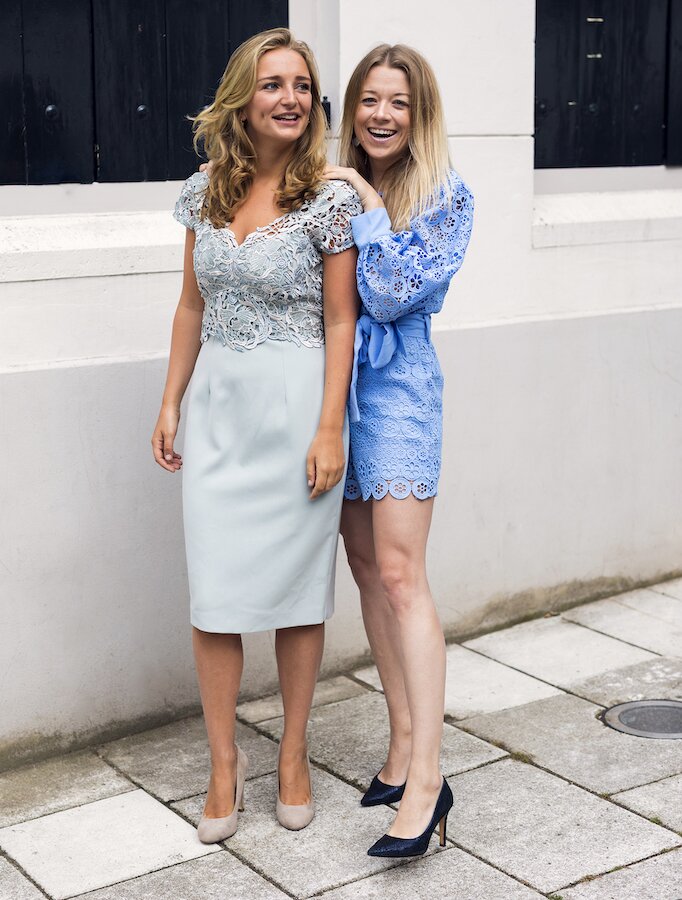
This new way of thinking has been shortened to “quiet luxury” in recent years. Discretion, not announcement, is the key. Rather than monograms, it’s subtle cashmere sweaters from Loro Piana or well made coats from The Row. Because of this trend’s incredibly powerful influence, minimalism has become a status symbol. The message? A logo is not necessary for genuine confidence.
This cultural shift has been expedited by celebrities. Gwyneth Paltrow unintentionally became the face of covert wealth when she showed up wearing her now-iconic courtroom neutrals, which include cream knits, beige coats, and basic gold jewelry. Similarly, rather than using ornamentation to convey authority, programs like Succession used restrained opulence. Just incredibly exquisite textiles and subdued authority—no labels or logos.
Ironically, luxury declined as a result of overexposure. Exclusion became a spectacle thanks to social media. Anyone could pretend to be wearing a Balenciaga hoodie or pose with a Dior purse. The emblem became less powerful when authenticity became a commodity. Repetition of attire, vintage buying, and rejection of rapid luxury are now ways for influencers to establish reputation. Because it defies performance, the modest appearance has become remarkably aspirational.
Priorities have significantly changed, even in the highest levels of wealth. Ultra-wealthy people are tired of being targeted by marketers. Proof is what they want now, not fiction. Nowadays, ethical sourcing, sustainability, and provenance are more prestigious than logos. The new elite looks to simplicity for purpose. More sophistication is conveyed by a Brunello Cucinelli label sewn subtly within a garment than by a logo splattered across it.
Changes in society have also been very important. Because of economic upheaval and environmental consciousness, millennials and Gen Z have distinct perspectives on consumption. They are especially vulnerable to exaggerated prices and performative luxury. They see integrity as having value and restraint as having grace. They like long-lasting items better than ones that make a big announcement. The concept of “old money” style is based on classic taste rather than riches.
This change was exacerbated by the pandemic. Comfort and practicality became very important when individuals were confined to their homes. Customers started to reconsider their purchasing decisions, favoring utility and comfort over show. As a show of emotional maturity rather than austerity, minimalist clothing became both acceptable and admirable.
This does not imply a decline in luxury. It’s changing slowly. Brands are being compelled to reconsider the true meaning of exclusivity. A reckoning was indicated by LVMH and Kering’s slowing growth in 2024: status symbols must now be earned by authenticity rather than price tags. Outstanding quality, ethical manufacture, and emotional resonance are what define the new prestige.
Nevertheless, the business is facing its most difficult balancing act to date. It must remain attractive while appealing to a generation that values transparency and accessibility. By maintaining the authenticity of scarcity, some brands, such as Hermès, have fared exceptionally well during this shift. Others, such as Gucci and Balenciaga, have experienced cultural weariness and overexposure. A logo has no meaning when it is used on everything.
The reset is even being shaped by digital platforms. The psychology of ownership has been profoundly changed by resale applications like Vestiaire Collective and The RealReal. Nowadays, a used Prada coat has greater significance than a brand-new one. It conveys a narrative and a feeling of continuity. Because it is based on worth rather than vanity, luxury has once again become cyclical.
There is a definite generational divide. Gen Alpha may not grow up idolizing logos at all since they inherit their parents’ sustainability conscience. For them, digital identity and self-expression are more important than traditional branding. They are able to see past the façade of grandeur that previous generations invested into. In the honest words of a 16-year-old TikToker, “Logos feel like trying too hard.”
This change is the result of something incredibly hopeful. Luxury is purifying rather than vanishing. There is space for silent artistry and unpretentious beauty as the cacophony fades. A brand exhibits confidence when it no longer need its name to be emblazoned on every surface. That is the essence of the new era: artistry without chaos, refinement without haughtiness.
Prestige in this new environment is determined by resonance rather than recognition. A superbly tailored blazer, a vintage trench, or a handcrafted loafer can make a bigger statement than a logo the size of a billboard. Instead of rejecting luxury, consumers are redefining it. They want brands that truly represent substance rather than showmanship.