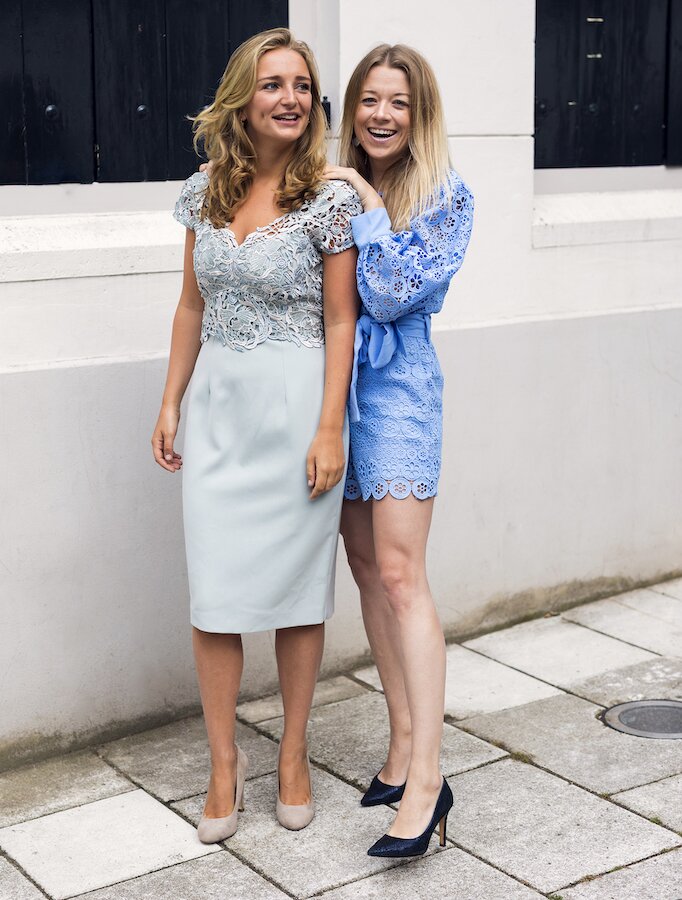

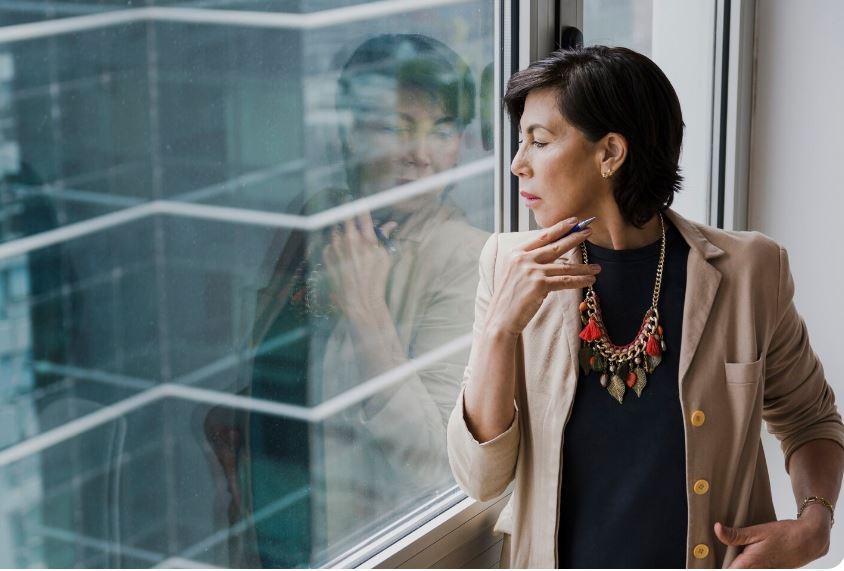
Quiet luxury started out as a whisper and spread subtly through social media and runways thanks to subdued color schemes and delicately structured silhouettes that were remarkably successful at expressing confidence without resorting to showmanship. The aesthetic exploded in recent months with a force that felt remarkably similar to the rise of normcore in the previous ten years, but it came with deeper emotional undertones influenced by sustainability concerns, economic strain, and a growing disenchantment with noise-driven rather than purpose-driven trends. I became aware of how subtly this movement had ingrained itself into society as I watched TikTok creators dissect Shiv Roy’s knitwear with forensic precision, changing how people discuss privilege, taste, and covert displays of success.
Many consumers discovered something especially helpful in this aesthetic—an escape from the exaggerated cycles of hype that had dominated fashion for years—by observing how subtly affluent circles communicate through modest clothing. An ethos characterized by flawlessly tailored coats, precisely weighted rugby shirts, and tailoring that felt purposefully effortless rather than shouty symbols was instilled in audiences through regular exposure to shows like Succession. This change was a sign of a larger cultural movement that had been simmering for years: a desire to reject the frantic clutter that had characterized previous fashion eras and invest in fewer, better things.
| Field | Details |
|---|---|
| Topic | Quiet Luxury |
| Core Angle | Why It Won’t Stay Quiet for Long |
| Table Type | Fashion Trend Analysis |
| Cultural Touchpoints | Succession, Gwyneth Paltrow, The Row, TikTok Trends |
| Industry Impact | Retail, Luxury E-commerce, Sustainability, Consumer Psychology |
| Main Forces Behind Shift | Personalization, Scarcity, Experience-Driven Luxury |
Priorities drastically changed during the pandemic, forcing many people to reevaluate their home furnishings, clothing choices, and public personas. Slower consumption was welcomed because it felt so obvious—life had significantly improved when excess was eliminated. That sentiment was supported by the understated luxury aesthetic, which served as a reminder to customers that serenity can be advantageous, particularly in an era where everything seems overstimulated. It was no accident that companies like The Row, Toteme, and Celine came to represent emotional sophistication and maturity, their craftsman-like style becoming highly adaptable in a variety of settings.
This change was very effective in changing how retailers approached personalization. By simplifying operations and enabling brands to create curated experiences that felt remarkably personal, quiet luxury bolstered the argument for data-driven shopping experiences. Luxury e-commerce was able to predict what a particular consumer might want much more quickly by utilizing advanced analytics, providing personalized product recommendations that were purposefully subtle but unquestionably compelling. This sentiment was emphasized by Saks’ research, which found that 70% of luxury buyers valued personalization. Relevance was what they sought, not noise.
The rise of quiet luxury in the context of sustainability is indicative of a growing demand for thoughtful purchasing. Younger consumers in particular are drawn to products that feel incredibly sturdy and are meticulously made that are just not possible to mass-produce. Awareness of the environmental costs of fast fashion has increased dramatically over the last ten years, leading consumers to make decisions that are emotionally consistent with their long-term well-being. With classic lines, vintage textiles, and understated silhouettes that hold up over time, quiet luxury provided that.
However, as any experienced fashion observer is aware, subtlety is never permanent. As soon as TikTok adopted the “old money aesthetic,” the trend spread, becoming an aspirational visual language even for those on a tight budget. With the rapid arrival of dupe culture, the exclusivity that initially made quiet luxury powerful was greatly diminished. The principle that defines luxury, the rarity of the aesthetic, started to blur when anyone could imitate stealth wealth with a soft-beige knit and a repurposed blazer.
When The Row hosted a viral sample sale and there were endless lines online, I was most aware of this change. Quiet luxury was now a performance rather than a private thing. Influencers devotedly documented their calm beige ensembles, with each post expressing taste while demanding approval. Even mass brands like Zara and Mango started creating their own versions of this style through strategic engagement, speeding up the cycle until the once-quiet movement reached an unquestionable volume.
Both consumers and early-stage creators found a sense of calm authority in this aesthetic. However, the cyclical nature of fashion means that even the most subdued trend cannot keep up. Numerous Reddit fashion communities have already forecast a return to maximalism, claiming that the prevalence of quiet luxury makes them yearn for spontaneity once more. That prediction seems surprisingly accurate to me. Fashion responds as fast as a swarm of bees changing course; when the surroundings change, so does the collective instinct. In a year, the structured knits and subdued colors that seem elegant today might seem boring.
But the trend’s emotional effects will probably last. Customers were taught to value fine craftsmanship, make deliberate decisions, and pursue timeless design over spectacle by quiet luxury. A generation learning to deal with economic anxiety and changing social norms found resonance in its emphasis on individual confidence rather than public approval. In times of instability, many customers characterized the aesthetic as profoundly reassuring—an echo of stability.
The pendulum may swing once more as luxury brands reevaluate their methods of expressing exclusivity, but the cultural legacy of understated luxury will endure. It effectively changed the discourse on taste and value by reminding us that true luxury is about feeling good about what you wear rather than being noticed. Additionally, the mindset it introduced—a dedication to meaningful design and intentional living—will endure even though the aesthetic may soon crescendo into something louder or more experimental.
Although quiet luxury may not remain silent, its impact will continue to shape fashion in the future by directing buyers toward items that feel more like enduring companions than transient thrills. And perhaps its greatest lasting success is that small change that is quietly taking place across screens and closets.