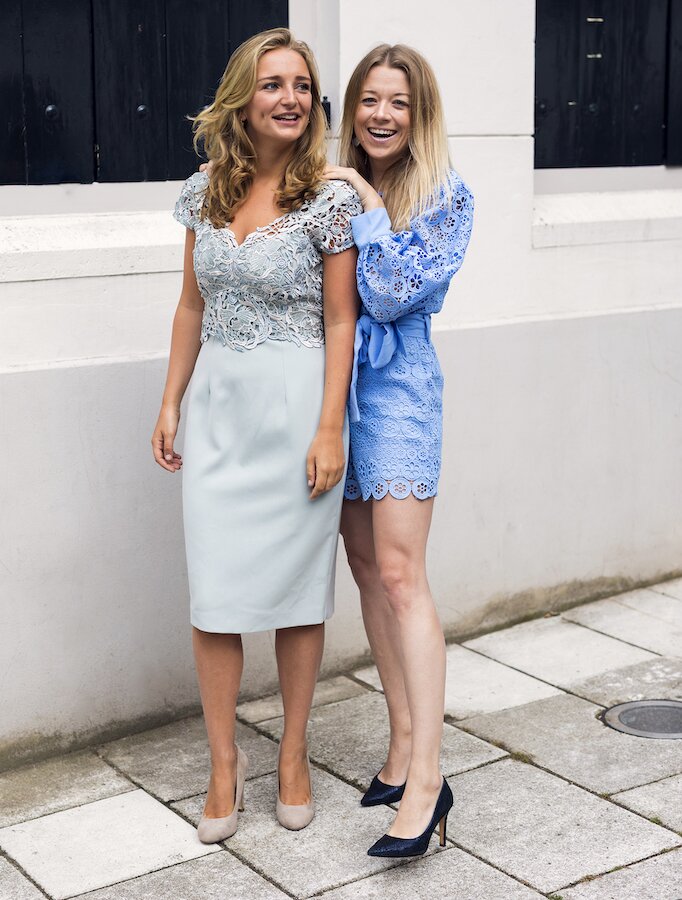

The Great Wardrobe Reset is a societal realignment toward modern simplicity, mindfulness, and significance rather than merely a change in style. Individuals no longer overstock their closets with impulsive purchases or chase fads. Rather, they are creating more modest wardrobes that are a reflection of who they are: composed, deliberate, and more aware of what truly counts.
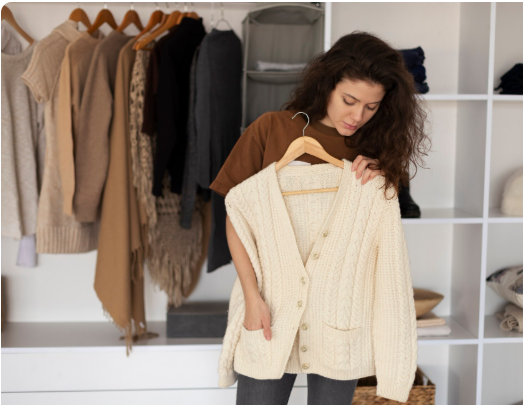
This change didn’t happen all at once. Our connection with clothing has changed significantly in the last several years. The never-ending cycle of purchasing and discarding is no longer appealing. Rather, individuals are spending money on fewer, incredibly durable items—clothing that makes daily tasks easier, lasts longer, and works harder. Less noise, more clarity is the utilitarian but intensely personal objective.
Key Insights About “The Great Wardrobe Reset”
| Information | Details |
|---|---|
| Concept | Simplified dressing focused on comfort, sustainability, and authenticity |
| Lifestyle Drivers | Remote work, minimalism, decision fatigue, and eco-awareness |
| Fashion Focus | Capsule wardrobes, neutral tones, timeless essentials |
| Cultural Influence | Shift from fast fashion to intentional, quality-driven style |
| Psychological Impact | Reduced stress, improved confidence, and clear self-identity |
| Reference Source |
Today, decision fatigue has spread like wildfire. It feels like a mental marathon to choose from dozens of clothing every morning before the day even starts. This mental strain has been significantly reduced by simplifying wardrobes. A well-chosen list of reliable necessities reduces stress and frees up time so that one can focus on the things that really need attention.
The rise in popularity of capsule wardrobes, a once-specialized minimalist idea, is no accident. In the midst of confusion, they appeal to people who need focus. Compared to possessing fifty costumes that hardly inspire confidence, having ten that you truly love seems very empowering. A consistent outfit can become a signature rather than a restriction, as seen by celebrities like Emma Watson, Mark Zuckerberg, and Steve Jobs.
Comfort has also asserted its legitimate position. The concept of “getting dressed” changed during and after the epidemic due to the move toward remote labor. Breathable fabrics that easily adapt to modern living, relaxed tailoring, and structured knits have replaced crisp suits and stiff heels. Because it accommodates reality rather than performance, this new equilibrium between elegance and easiness is incredibly effective.
There is a strong undercurrent of sustainability beneath this minimalism. People are well aware of the environmental costs associated with fashion, including the waste, pollution, and overproduction. They are engaging in what may be referred to as emotional sustainability by making better choices while purchasing less. A classic shirt or well-tailored coat serves as an anchor in terms of both style and morality. It’s a declaration that moderation can be very opulent.
This philosophy is embodied by the term “quiet luxury,” which has become increasingly popular in fashion discussions. It’s about confidence and craftsmanship, not slogans or excess. Simple elegance is more powerful than grandeur, as demonstrated by celebrities such as Sofia Richie Grainge and Gwyneth Paltrow. Their selections reveal a shared desire for genuineness above show.
This reset was undoubtedly influenced by the pandemic’s aftermath. Following months of seclusion and reflection, many people reassessed their ideals as well as their clothes. Clothing started to be more about comfort on the inside and less about approval from others. Neutral hues, loose silhouettes, and soft cashmere reflected a deeper psychological yearning for serenity. It felt especially healing to dress more simply, as if it were a fabric manifestation of self-care.
The movement is also supported by financial pragmatism. Consumers are choosing longevity above novelty during difficult economic times. Purchasing fewer high-quality items has proven particularly advantageous because it eventually saves money and lessens clutter. The “70/30 rule” governs the modern wardrobe: 30% expressive accents and 70% dependable fundamentals. It is a tangible form of equilibrium.
The clothing code for professionals has also changed. What some refer to as “power simplicity” has replaced the once-rigid “power suit.” The same authority, if not more, is communicated when a fitting jacket is worn with crisp pants or simple sneakers. Nowadays, dressing simply conveys competence and confidence rather than carelessness in both creative studios and companies.
This recalibration is permeating culture and isn’t just happening among fashionistas. Once posting daily “haul” videos, social media influencers now offer advice on thrift store shopping, wardrobe editing, and outfit repetition. Reusing clothing, which was once frowned upon, has become incredibly popular. With millions of views, the #CapsuleWardrobe craze on TikTok is evidence that deliberate repetition can alter contemporary style.
Additionally, simplicity is now more inclusive. Fashion’s fixation on size, trend, and perfection kept many people out of its discourse for years. Access to high-quality, eco-friendly basics in all sizes is being significantly increased by the new generation of brands, which includes Universal Standard and Everlane. They are democratizing elegance by emphasizing ageless design, fit, and feel. It turns out that everyone looks good when they are simple.
This reset now has a futuristic component because to technology. Users can now plan ensembles, cut waste, and find forgotten items with the aid of digital wardrobe platforms and AI-assisted stylists. Customers are greatly improving their purchasing behavior—making fewer but more intelligent purchases—by utilizing analytics and digital technologies. Once held responsible for excessive consumption, technology is now assisting in its reversal.
There is no denying the psychological advantages of this change. Having less clothing does not equate to having less; rather, it indicates having enough. Opening a closet where everything seems comfortable, useful, and attractive is especially liberating. This emotional clarity results in self-assurance. Simplicity has become an uncommon and priceless luxury in a world characterized by overstimulation.
Celebrities have contributed to the transformation of minimalism from austerity to desire. Daniel Craig’s fitted essentials, Zendaya’s elegant monochromatic looks, and Angelina Jolie’s muted ensembles all demonstrate the indisputable power of subtlety. They whisper with purpose rather than shout. Fundamentally, the Great Wardrobe Reset is about regaining that calm confidence—the notion that how you feel in your clothes is more important than how much you own.
According to sociologists, this pattern is a component of a larger trend toward “intentional living.” People are cutting back on everything from digital detoxes to smaller homes, as well as their entire lifestyles. The fashion reset is a powerful metaphor for a universal human longing: to rediscover simplicity in a culture that values luxury. People are discovering more—greater self-expression, more purpose, and more tranquility—by making fewer choices.
The widespread acceptance of simplicity portends a bright future for the fashion industry. Mindful appreciation is taking the place of the chaotic consumerism period. The goal of the modern consumer is to cherish their possessions rather than to get everything. Once specialized, this kind of thinking is now influencing the next wave of identification, fashion design, and retail.
Eliminating happiness and color is not the goal of the Great Wardrobe Reset. It’s about refinement—reducing one’s own style to its most basic form. It challenges us to rethink the idea that alignment, rather than accumulation, is the source of wealth. You need less of what you wear when you enjoy it. That insight has a profoundly transforming effect on closets and the culture that surrounds them.