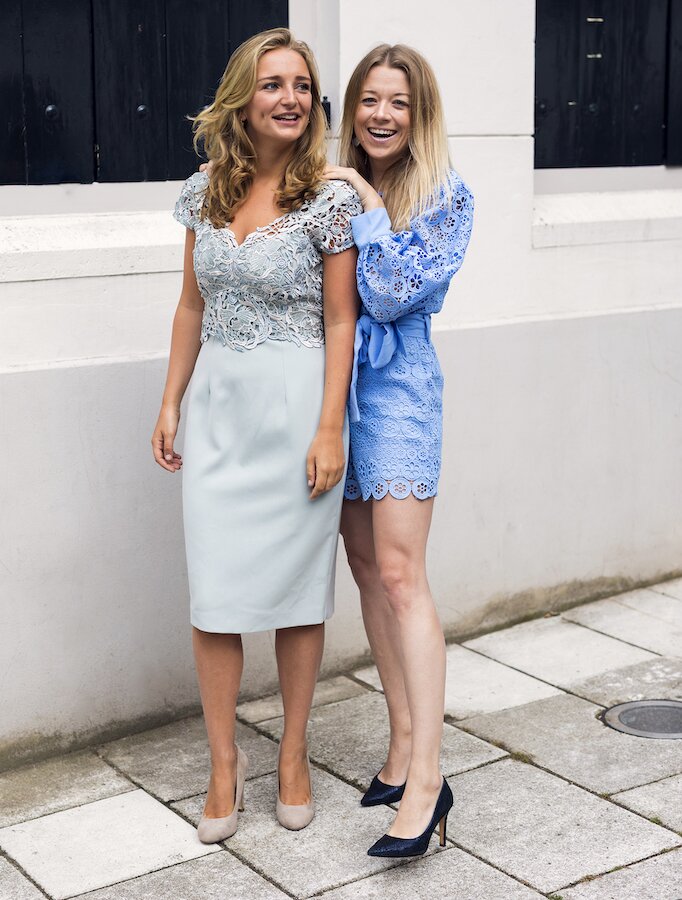


The contemporary power suit has returned, but it is no longer characterized by gender or shoulder pads. The statement is much more inclusive and subtle this time. The garment’s freedom now whispers confidence, whereas its structure once shouted authority. Fashion is the language of individuality, and designers, celebrities, and young consumers are driving this quiet revolution.
Tailoring from the 1980s has softer edges. Flowing shapes and adjustable fits have replaced the rigidity that once distinguished men’s and women’s clothing. Designers such as Gucci and Saint Laurent are creating clothing that speaks to the wearer rather than the gender for which it was designed. The suits seen on today’s catwalks are about comfort, individuality, and genuineness rather than conformity.
| Aspect | Description |
|---|---|
| Concept | A fashion shift emphasizing inclusive tailoring that celebrates individuality and comfort |
| Evolution | From rigid 1980s corporate armor to fluid, adaptive designs that transcend gender norms |
| Key Designers | Gucci, Louis Vuitton, Saint Laurent, Loewe, Kanika Goyal, Siddartha Tytler |
| Defining Features | Relaxed fits, versatile cuts, breathable fabrics, neutral and expressive color palettes |
| Cultural Significance | Redefines authority, promotes self-expression, and encourages inclusivity across genders |
| Authentic Source | The New York Times – Fashion and Style (2025 Edition) |
Inspired by queer artists Larry Stanton and Patrick Angus, Saint Laurent’s Spring/Summer collection combined structured jackets with delicate colors and soft textiles. For Ayo Edebiri’s 2025 Golden Globes ensemble, Loewe also reinterpreted Julia Roberts’s 1990 Armani moment, substituting draped elegance for sharp shoulders and a feather necklace for the conventional tie. These designs feel noticeably better, substituting a sense of self-assurance that doesn’t require validation for outdated “power dressing” formulas.
The suit was once referred to by fashion historian Anne Hollander as “the human body, idealized.” The modern reinterpretation, however, feels more compassionate; power is reframed as ease. The meaning of the garment has changed significantly. It now stands for self-expression and self-ownership instead of corporate ambition. The suit now belongs to anyone who is prepared to feel capable and liberated, not just those in the boardroom.
Gen Z has been the main driver of this change in recent years. They have significantly blurred the lines between gendered clothing through social media. The #GenderlessStyle tag has received billions of views on TikTok, where creators have paired blazers with skirts, sneakers, or corsets—often in whimsical, unique ways. Their strategy is incredibly successful in bringing authenticity into the mainstream; it is not rebellious for the sake of rebellion.
In many respects, the pandemic hastened this development. The pace and expectations of fashion slowed along with the rest of the world. Comfort turned into money. Restrictive office attire started to give way to loose-fitting pants and oversized blazers, demonstrating that authority could be at ease. “The modern power suit is about confidence, not control,” according to The Manual. The way people dress and express themselves has become a permanent home for that sentiment.
Fashion houses have become especially creative in fusing design and identity by incorporating fluid tailoring. In their most recent collections, Gucci and Louis Vuitton completely abandoned gendered sizing, referring to suits as “made for you.” This movement is inclusive by design and intention, and the phrase sums it up perfectly. Through the use of organza inserts, asymmetrical hemlines, and surreal detailing, independent designers such as Kanika Goyal have brought playfulness into formal wear while maintaining sophistication.
In the past, power dressing required imitation; in order for women to be heard, they had to imitate masculinity. The suit is now used as a tool to change that script. The statement “I don’t have to dress like a man to be taken seriously anymore” was aptly put by marketing strategist Anusha Hisaria. A generation that wears confidence in a different way—softly but decisively—is reflected in her preference for baggy blazers and playful ties.
This new kind of empowerment is the result of cultural changes. Chanel’s tweed sets, which are emblems of independence, were created in the 1920s. Yves Saint Laurent’s Le Smoking, which featured women wearing tuxedos, shocked viewers in the 1960s. Every feature, including the shoulders, ambition, and authority, was exaggerated in the 1980s. The age of balance in fashion has now arrived. The genderless suit allows wearers to define their own strength by embracing both structure and sensitivity.
This change has been accelerated by celebrities. Timothée Chalamet’s open-backed ensembles and Zendaya’s effortlessly flowing red carpet suits have become cultural markers for this shift. They convey a very strong message that self-expression is universal: their appearance is about energy rather than gender. Even Riley Keough’s cropped Chanel suit with a sheer top exuded confidence as someone who dresses to express their own strength rather than to conform to social norms.
Instead of being cautious in their response to this demand, luxury brands are being creative. Modular tailoring was first seen in Louis Vuitton’s 2026 collection, which included shirts for all body shapes, pants with waist adjustments, and jackets with detachable panels. More significantly, this flexibility is inclusive and incredibly effective. “Genderless fashion is not about neutrality — it’s about possibility,” as The Guardian stated.
This evolution reflects more profound shifts in society. Dress codes are being rethought in workplaces, with flexibility replacing formality. According to a McKinsey report from 2025, businesses that implemented gender-neutral dress codes saw an increase in employee belonging and satisfaction. Once a representation of homogeneity, the office suit now stands for diversity and unity. It’s a welcome change that combines authenticity and professionalism instead of repression.
Leading this new trend with cultural awareness are independent designers in Asia and the Middle East. With draped designs that can be altered with basic button loops, Anuj Sharma, the founder of Button Masala, has reinvented the suit for tropical climates. He holds that power comes from choice rather than prescription, which is a wonderfully democratic philosophy. The global trend of genderless tailoring is strongly aligned with this spirit of personalization.
Through experimentation and empathy, the relationship between fashion and gender is being rewritten. This balance is aptly reflected in the contemporary power suit, which combines structure and softness. It is now an outfit for authenticity rather than merely a uniform for authority. This movement has remarkably transformed the suit into something more than fabric by embracing self-expression, inclusivity, and adaptability. It’s a discussion about our identities and how we want to be perceived.
This time around, the return of the power suit feels different—freer, more grounded, and unafraid to change. Its significance goes beyond clothes, whether it is worn with sandals, heels, or sneakers. It symbolizes freedom, self-assurance, and transformation woven into each stitch. Power suits are back, but they now belong to everyone as a common symbol of confident identity rather than as armor.