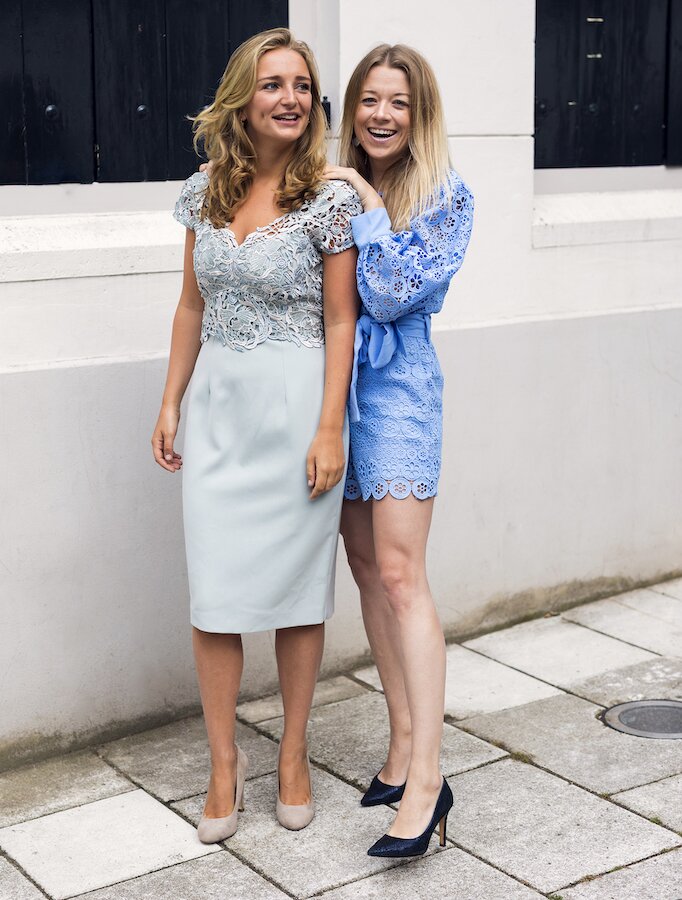

Fast fashion is starting to seem like a holdover from a more irresponsible time. Purchasing inexpensive clothing that is meant to be thrown away after a few wears seems incredibly archaic to Gen Alpha. They are growing up with a keen awareness of waste, digital transparency, and climate fear. This generation is rethinking what fashion should mean, not just opposing quick fashion.
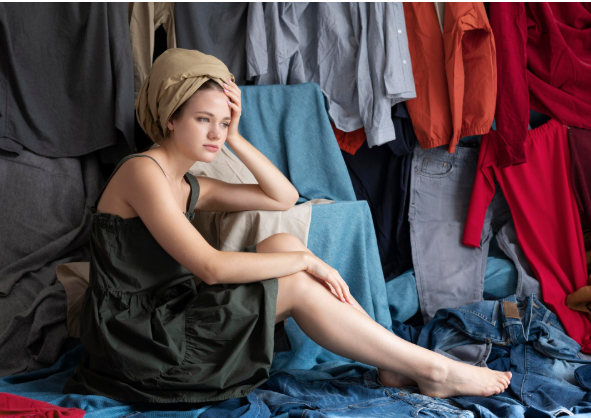
Gen Alpha views mindful consumption as commonplace rather than admirable because they were raised by Millennial parents who already place a high importance on sustainability. For them, renting an outfit, recycling clothing, or exchanging things with friends is just as natural as streaming music rather than purchasing CDs. This change is especially advantageous to the cause of sustainability because it feels natural and unforced. These young shoppers are living responsibility rather than just learning it.
Key Details About Gen Alpha’s View on Fast Fashion
| Information | Details |
|---|---|
| Generation | Gen Alpha (born 2010–2025) |
| Core Values | Sustainability, individuality, transparency |
| Shopping Behavior | Prefers vintage, rental, and resale models |
| Influences | Millennial parents, Gen Z culture, digital literacy |
| Style Preferences | Authenticity, nostalgia, self-expression |
| Key Trend | Circular and tech-enabled conscious fashion |
| Reference Source |
Millennial values have a profound impact. Many of these parents are instilling thoughtful habits in their children because they are tired of excessive consumerism. They prioritize quality over quantity, shop secondhand, and fix what broken. Gen Alpha therefore sees “unique” as necessary and “new” as optional. Their clothes are more about showcasing their individuality than they are about adhering to trends. Value is determined by authenticity rather than price.
Technology is incredibly powerful in influencing this way of thinking. Being the first generation to have grown up entirely in a digital world, Gen Alpha uses technology to make better judgments. They look for items that fit their principles, compare costs, and assess sustainability ratings using resale apps, digital stylists, and AI purchasing tools. This generation can determine what is sustainable with a few taps, so they don’t need marketing slogans to tell them.
This awareness is perfectly suited to vintage fashion. For them, character is more important than nostalgia in the conventional sense. They perceive history in each hand-stitched patch, faded denim jacket, and worn trademark hoodie. It adds emotional depth and uniqueness to their look that fast fashion could never match. Vintage clothing evokes a sense of narrative, and because of its emotional resonance, it is highly adaptable as both fashion and philosophy.
GapVintage, a partnership with designer Sean Wotherspoon, is among the best illustrations of this movement. The firm discovered a very effective method to attract to younger customers who are looking for authenticity by bringing back classic items from the 1980s, 1990s, and early 2000s. The ad emphasizes how purposefully reimagining the old can make it feel completely fresh. The collection’s appeal shows how circular fashion can become aspirational rather than alternative when combined with storytelling.
This evolution is supported by the data. According to ThredUp’s 2023 Resale Report, younger customers will be a major factor in the worldwide secondhand market’s projected growth of over 120% by 2026. Because it allows people to show their personality and cut down on waste, over two-thirds of them say they prefer purchasing used goods over new. For Gen Alpha, resale sites like Vinted and Depop are about preserving their identity rather than saving money.
This mindset is indicative of a broader cultural movement toward “slow fashion,” in which consideration takes the place of impulse. For a generation that often hears stories about climate change, the concept of disposable clothing seems meaningless. They have a very clear idea of what they want: ethics, creativity, and transparency. Brands are immediately called out when they falsify it through greenwashing or phony “eco” labels. For firms looking to gain their allegiance, authenticity is a survival strategy rather than a selling point.
The function of celebrity influence is still present, but it is evolving. This new fashion philosophy is best represented by celebrities such as Emma Chamberlain, Zendaya, and Billie Eilish. It’s more than just glitz when Zendaya dons a vintage Valentino gown on the red carpet; it’s an act of sustainability. When Billie Eilish promotes thrifted items or repurposes clothing, it normalizes a new form of meaningful luxury. The antiquated notion that prestige necessitates extravagance has been dismantled by these figures, who have made repetition fashionable once more.
Meanwhile, fast fashion companies are being held accountable. Some are rushing to adjust, introducing restricted “eco” lines or take-back initiatives. However, Gen Alpha has a keen eye for dishonesty. The paradox is too glaring to overlook when a corporation releases thousands of new products per week while claiming to be sustainable. How brands behave—whether they design for durability, transparency, and repairability—is the true litmus test, not what they claim.
The idea of ownership is also evolving. Digital encounters have just as much of an impact on Gen Alpha’s fashion choices as do tangible ones. Before they ever purchase actual apparel, youngsters may try out digital fashion on platforms like Roblox, Fortnite, and Zepeto. In addition to promoting the value of self-expression without excessive production, these virtual wardrobes are drastically reducing waste. It’s an intriguing look into a future in which status is determined by creation rather than consumerism.
Another surprising ally of sustainability is nostalgia. In an overstimulated digital world, Gen Alpha’s love with “retro” aesthetics—from vintage denim to Y2K tracksuits—reveals a need for authenticity. They romanticize the real, the tactile, and the flawed. For them, the past provides a feeling of stability in the face of ongoing change. This emotional attraction to classic brands like Gap and Levi’s demonstrates that sustainability doesn’t have to compromise style—in fact, it may improve it.
Often accused of promoting trends, social media has really emerged as a potent teaching tool for this change. In order to demonstrate creativity over consumption, TikTok producers now submit “outfit rewear” challenges, customizing the same item in several ways. Unboxing videos have been replaced by thrift hauls. Millions of people view the hashtag #slowfashion, demonstrating that sustainability is now more than simply an ideology. This democratization of environmental knowledge is incredibly successful in changing behaviors from a young age.
This change also suggests that fashion will have a more balanced future. As Gen Alpha becomes older, they will bring moral influence in addition to purchasing power. They will anticipate that brands will provide long-term design promises, verifiable supply chains, and repair services. They consider wastefulness to be as out of style as shoes from the previous season. Additionally, they have the collective awareness and digital means to hold businesses accountable, unlike prior generations.
The way that Gen Alpha’s thinking effortlessly combines pleasure and purpose is what makes it so inventive. They view sustainability as expressive rather than constrictive. For them, fashion is about ongoing progression rather than continual novelty. They invest emotionally and creatively in their wardrobe, purchasing fewer things but appreciating them more. For many years to come, that harmony between morality and beauty may reshape what luxury means.
In contrast, fast fashion, which was once praised for its rapidity and accessibility, now seems incredibly antiquated. It symbolizes a reckless way of thinking that is out of step with the times. The industry is learning a critical lesson from Gen Alpha: advancement is about creating better, not more. Their decisions give optimism that originality can flourish without excess and that fashion can change without being exploited.